
Last updated on August 25th, 2026 at 12:07 pm
The powertrain control module (PCM) in your 2000 Saturn L-Series manages engine performance, fuel delivery, and transmission behavior. Failures may cause erratic operation, diagnostic trouble codes, or complete no-start conditions.
If your 2000 Saturn L-Series has been stalling unexpectedly, refusing to start, or throwing cryptic engine codes, the powertrain control module (PCM) may be the culprit. This small but critical computer oversees everything from fuel injection to transmission shifts, and when it fails, your vehicle’s performance can suffer in noticeable ways. Replacing it isn’t just about swapping a part—it involves precise labor steps, relearn procedures, and programming to ensure everything communicates correctly. Understanding these details helps you make informed decisions, whether you’re tackling the job yourself or working with a shop. You’ll also learn why preserving data like oil life and Passlock security codes matters, and how a pre-programmed replacement can simplify the process. This guide breaks down what the PCM does, where it’s located, and what to expect during and after replacement, so you can get your Saturn back on the road with confidence.
The powertrain control module (PCM) in your 2000 Saturn L-Series acts as the brain of the engine and transmission, continuously adjusting fuel delivery, ignition timing, and shift points based on sensor inputs. It ensures optimal performance, fuel efficiency, and emissions compliance, while also managing the vehicle’s anti-theft system (Passlock). When this module fails, you may experience a range of issues, from rough idling to a complete no-start condition. Because the PCM integrates with nearly every major system, its reliability is critical—especially in a vehicle where replacement engine computers for the L-Series may be needed to restore proper function. Without a functioning PCM, your Saturn’s engine may run poorly or not at all, making timely replacement essential for dependable operation.
In the 2000 Saturn L-Series, the PCM is typically mounted in the engine bay, though its exact location may vary slightly depending on the engine code (LW1 or LW2). Replacing it involves disconnecting the battery, removing electrical connectors, and unbolting the module from its mounting bracket. Labor times differ by engine: for the LW1, removal and reinstallation (R&R) takes 0.7 hours, while the LW2 requires only 0.3 hours. After installation, a relearn procedure is necessary to synchronize the PCM with the vehicle’s systems, which adds another 0.5 hours regardless of engine type. The process is straightforward but requires care to avoid damaging connectors or misaligning the module during reinstallation.
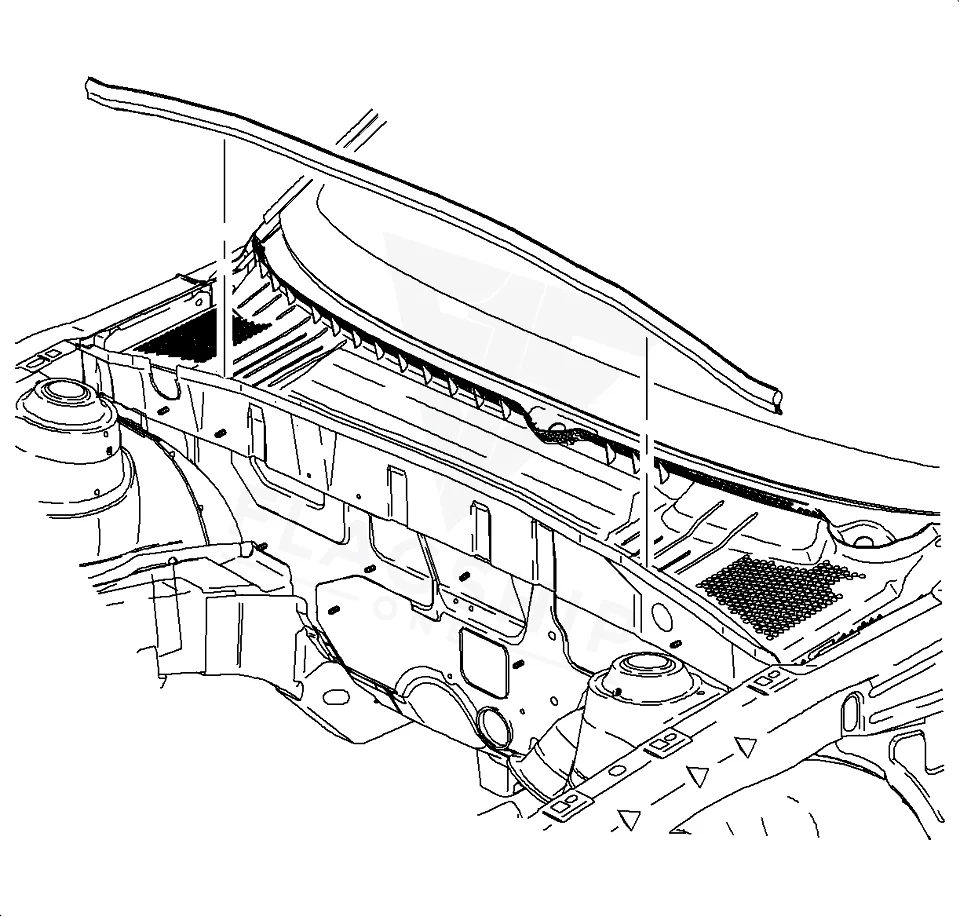
Work with the ignition off, and treat the module as static-sensitive: avoid touching the connector pins at any point.
| Operation | Configuration | Book Time |
|---|---|---|
| Powertrain Control Module R&R | LW1 | 0.7 hr |
| Powertrain Control Module R&R | LW2 | 0.3 hr |
| Powertrain Control Module Relearn | LW1 | 0.5 hr |
| Powertrain Control Module Relearn | LW2 | 0.5 hr |
| Engine Control Module R&R | LW1 | 0.7 hr |
| Engine Control Module R&R | LW2 | 0.3 hr |
| Engine Control Module Relearn | LW1 | 0.5 hr |
| Engine Control Module Relearn | LW2 | 0.5 hr |
2000 Saturn L-Series
OEM programmed ECM for your 2000 Saturn L-Series — plug & play, no dealer visit.
Free shipping · Lifetime warranty
After installing a new PCM in your 2000 Saturn L-Series, the factory procedure mandates reprogramming the module with updated software and calibrations. This step ensures compatibility with the vehicle’s systems, including the Passlock anti-theft feature, which requires a separate relearn procedure using the Service Stall System (SSS). Additionally, the remaining engine oil life must be recorded and transferred to the new module—otherwise, it defaults to 100%, potentially leading to premature or delayed oil change reminders. Choosing a VIN-programmed replacement unit eliminates these steps, as the module arrives pre-configured with the correct software, calibrations, and oil life data, allowing for a smoother and faster installation process.
A failing PCM in your 2000 Saturn L-Series may cause a variety of symptoms, often starting subtly before becoming more pronounced. You might notice the engine stalling unexpectedly, especially at idle or during deceleration, or the vehicle may refuse to start altogether. Poor acceleration, rough idling, or erratic shifting in the automatic transmission are also common signs. On the diagnostic side, you may see module-internal trouble codes like an internal control module memory check failure, which indicates corruption in the PCM’s memory. Other potential codes include P0602 (programming error), P0603 (keep-alive memory reset), or P0606 (processor fault). In some cases, the PCM may fail to communicate with a scan tool, leaving you with no codes at all—just a non-functional vehicle. If you’re experiencing these issues, the PCM is a likely suspect, especially if other components like sensors or wiring have been ruled out.
The 2000 Saturn L-Series may log specific trouble codes when the PCM experiences internal faults. These codes help pinpoint issues like memory corruption, processor errors, or communication failures, guiding diagnostics and repair decisions.
The relearn procedure synchronizes the new PCM with the vehicle’s existing systems, including the Passlock anti-theft feature and transmission controls. Without it, the engine may not start or could run poorly. The process typically takes 0.5 hours and is required regardless of engine code.
While the vehicle may still run, a P0601 code indicates an internal PCM memory issue that can lead to erratic behavior or stalling. Driving with this code risks further damage or a no-start condition, so it’s best to address it promptly.
If the oil life data isn’t transferred, the PCM defaults to 100%, which may cause the oil change reminder to activate prematurely or too late. This can lead to unnecessary maintenance or, worse, engine damage from overdue oil changes.
Replacing the PCM is mechanically straightforward, but it requires careful handling of electrical connectors and adherence to relearn procedures. If you’re not comfortable with these steps, a professional installation is recommended to avoid complications.
Stalling after replacement is often due to an incomplete relearn procedure or a mismatch in software calibrations. Ensure the Passlock relearn is performed and that the PCM is properly programmed with the latest software to prevent this issue.
If your 2000 Saturn L-Series is showing signs of PCM failure, you have options for replacement. A new or refurbished module can restore proper function, but the process involves more than just swapping parts—programming and relearn steps are critical. For those looking to simplify the process, a pre-programmed replacement unit eliminates the need for additional software updates, saving time and reducing the risk of errors. Whether you choose to tackle the job yourself or leave it to a professional, understanding the requirements ensures a smoother repair and gets your Saturn back on the road reliably.
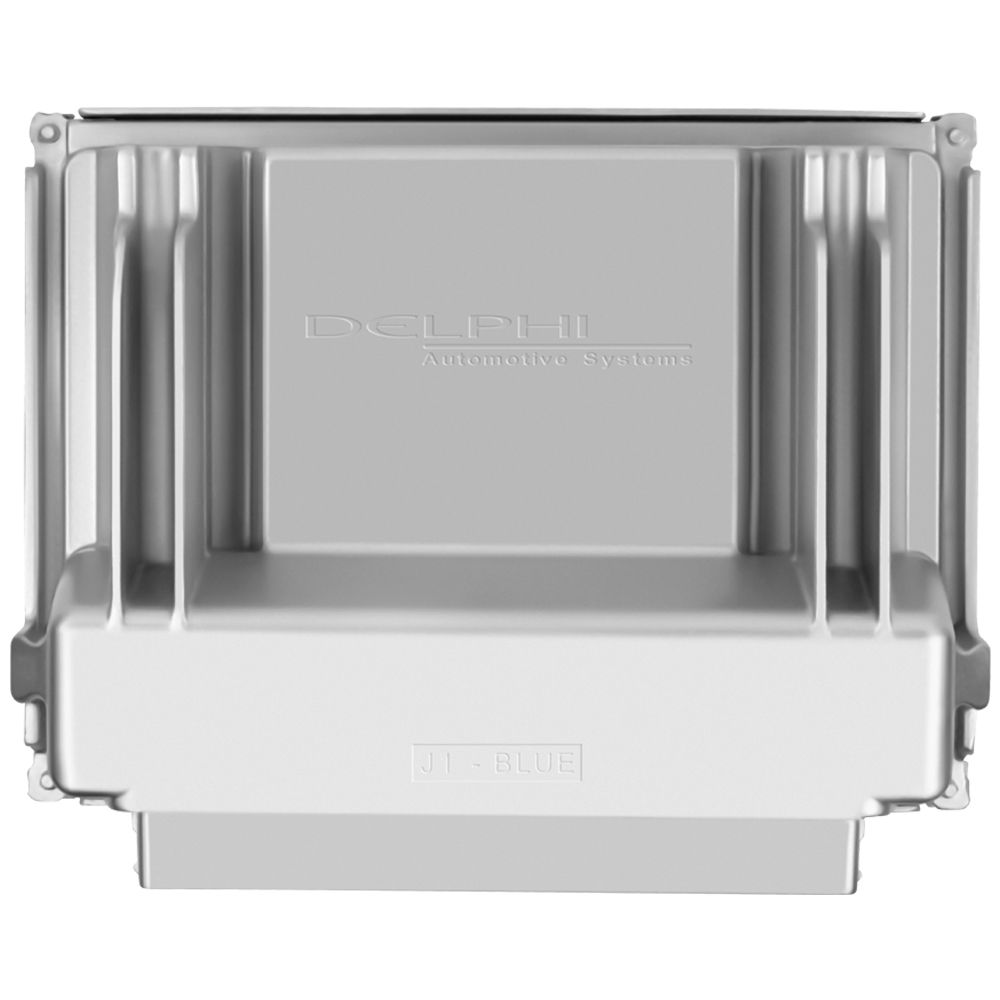
Flagship One stocks a refurbished, VIN-programmed PCM for the 2000 Saturn L-Series with a lifetime warranty, free shipping and no core charge. The full Saturn L-Series module lineup covers other engine configurations as well.
The 2000 Saturn L-Series relies on its PCM to manage critical engine and transmission functions, and when it fails, the symptoms can range from subtle to severe. Replacing the module involves careful labor steps, relearn procedures, and programming to ensure everything works as intended. By addressing the issue promptly and following the correct procedures, you can restore your vehicle’s performance and avoid further complications. Whether you opt for a DIY approach or professional installation, understanding the process helps you make informed decisions and keeps your Saturn running smoothly.