
Last updated on August 25th, 2026 at 01:37 pm
The Powertrain Control Module (PCM) in your 2000 Ford Explorer Sport Trac acts as the vehicle’s brain, managing engine performance, fuel delivery, and transmission behavior. When it fails, you may experience erratic idling, stalling, or complete no-start conditions due to disrupted signals to sensors and actuators.
If your 2000 Ford Explorer Sport Trac has been acting up—stalling unexpectedly, refusing to start, or throwing cryptic engine codes—it may be time to consider the Powertrain Control Module (PCM). This small but critical component manages nearly every aspect of your vehicle’s engine and transmission performance. When it fails, the symptoms can range from subtle drivability issues to a complete breakdown. Replacing the PCM isn’t just about swapping a part; it involves precise labor steps and a factory-required relearn procedure to ensure everything communicates correctly. Understanding what the PCM does, where it’s located, and what to expect during replacement can save you time and frustration. This guide walks you through the process, from identifying failure symptoms to installing a a VIN-programmed replacement unit that’s ready to go right out of the box. Whether you’re a DIYer or working with a mechanic, knowing these details helps you make informed decisions about your vehicle’s health.
2000 Ford Explorer Sport Trac
OEM programmed ECM for your 2000 Ford Explorer Sport Trac — plug & play, no dealer visit.
Free shipping · Lifetime warranty
The Powertrain Control Module (PCM) in your 2000 Ford Explorer Sport Trac serves as the central command center for the engine and transmission. It continuously monitors data from sensors—such as the oxygen sensor, throttle position sensor, and mass airflow sensor—to adjust fuel delivery, ignition timing, and shift points in real time. This ensures optimal performance, fuel efficiency, and emissions compliance. Without a functioning PCM, your vehicle may struggle to start, run roughly, or even enter a failsafe mode that limits power. The PCM also communicates with the onboard diagnostics system, storing trouble codes when it detects anomalies. If the module itself fails, you may see generic or module-specific codes that point to internal faults. Replacing the PCM isn’t just about hardware; it requires precise calibration to your vehicle’s VIN to ensure all systems sync correctly. When sourcing a replacement, you’ll want replacement engine computers for the Explorer Sport Trac that are pre-programmed to match your vehicle’s specifications, saving you the hassle of post-install programming.
In the 2000 Ford Explorer Sport Trac, the PCM is located inside the engine bay, typically mounted near the firewall on the passenger side. Accessing it involves removing a protective cover or bracket, which may require basic hand tools. The replacement process is straightforward but requires care to avoid damaging connectors or wiring. According to factory labor guides, removing and reinstalling the PCM takes approximately 0.4 hours. This includes disconnecting the battery, unplugging the wiring harness, and removing the mounting bolts. Once the old module is out, the new one can be installed in the same location, ensuring all connectors are securely fastened. Torque specifications for the mounting bolts are critical to prevent vibration or water intrusion, though exact values aren’t always published. After installation, the vehicle will require a relearn procedure to synchronize the PCM with the engine and transmission systems.
Work with the ignition off, and treat the module as static-sensitive: avoid touching the connector pins at any point.
| Operation | Configuration | Book Time |
|---|---|---|
| Powertrain Control Module R&R | All configurations | 0.4 hr |
| Powertrain Control Module Relearn | All configurations | 0.5 hr |
| Engine Control Module Relearn | All configurations | 0.5 hr |
| Engine Control Module R&R | All configurations | 0.4 hr |
A failing PCM in your 2000 Ford Explorer Sport Trac can manifest in several ways, often mimicking other issues like sensor failures or fuel system problems. One of the most common symptoms is a no-start condition, where the engine cranks but refuses to fire. This may be accompanied by a lack of spark or fuel injection, as the PCM controls both systems. Stalling or rough idling is another red flag, particularly if it occurs intermittently or worsens over time. You might also notice poor acceleration, hesitation, or surging, as the PCM struggles to adjust fuel and ignition timing. Transmission shifting issues, such as delayed or harsh shifts, can also point to a PCM problem, since the module governs shift points and torque converter lockup. Onboard diagnostics may reveal module-specific codes, such as an internal control module memory check sum error, which indicates the PCM’s memory has been corrupted. Other symptoms include a dead scan tool connection, where the PCM fails to communicate with diagnostic equipment, or the check engine light illuminating without a clear cause. If you experience any of these issues, it’s worth investigating the PCM as a potential culprit.
If your 2000 Ford Explorer Sport Trac is showing signs of PCM failure, you have a few options. A repair shop can attempt to diagnose and reflash the existing module, though this isn’t always successful for internal faults. Alternatively, replacing the PCM with a new or refurbished unit ensures a clean slate. Opting for a VIN-programmed replacement from Flagship One saves you the hassle of post-install programming, allowing you to get back on the road faster. Whether you choose to tackle the job yourself or leave it to a professional, understanding the process helps you make the best decision for your vehicle’s needs.
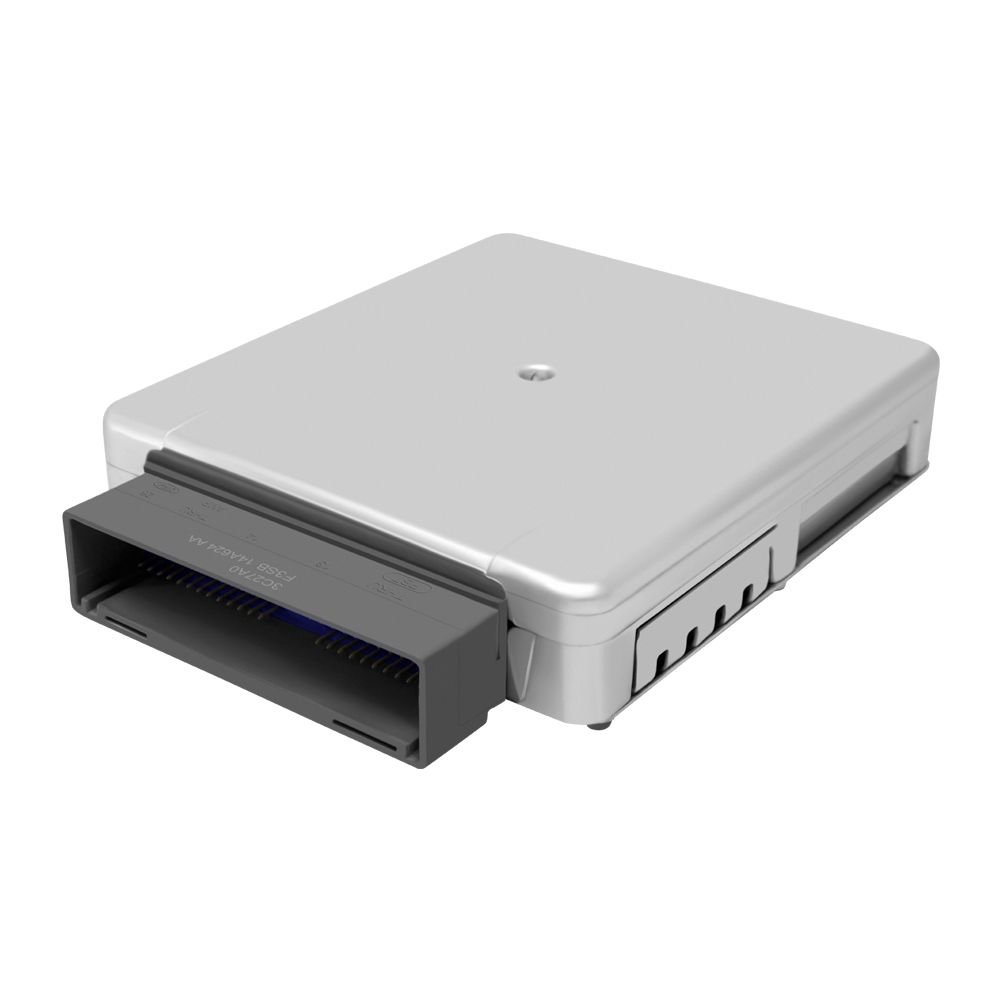
Flagship One stocks a refurbished, VIN-programmed PCM for the 2000 Ford Explorer Sport Trac with a lifetime warranty, free shipping and no core charge. The full Ford Explorer Sport Trac module lineup covers other engine configurations as well.
The PCM in your 2000 Ford Explorer Sport Trac plays a vital role in keeping your engine and transmission running smoothly. When it fails, the symptoms can be frustrating and disruptive, but replacement is a manageable process with the right knowledge. Whether you’re dealing with a no-start condition, rough idling, or stored trouble codes, addressing the PCM promptly can restore your vehicle’s performance. If you decide to replace the module, consider a pre-programmed unit to simplify the process and avoid additional labor steps. With proper care and attention, your Explorer Sport Trac can continue to serve you reliably for miles to come.