
Last updated on August 25th, 2026 at 02:00 pm
The powertrain control module (PCM) or engine control module (ECM) in your 1999 Mazda Protege manages fuel delivery, ignition timing, and transmission behavior. Failures may cause erratic engine performance, no-start conditions, or transmission shifting problems.
If your 1999 Mazda Protege has been stalling, refusing to start, or shifting erratically, the powertrain control module (PCM) or engine control module (ECM) may be at fault. This small but critical computer manages everything from fuel injection to transmission behavior, and when it fails, your vehicle’s performance suffers. Replacing it isn’t just about swapping a part—it involves careful installation and often a factory relearn procedure to ensure everything works as intended. Understanding the process, symptoms, and options can save you time and frustration, especially if you’re considering a replacement. With the right approach, you can restore your Protege’s reliability without unnecessary dealer visits or guesswork.
The PCM or ECM in your 1999 Mazda Protege acts as the brain of the engine and transmission. It continuously monitors sensors for data like engine speed, throttle position, and air intake, then adjusts fuel delivery, ignition timing, and shift points to keep everything running smoothly. Without this module, your vehicle wouldn’t know how much fuel to inject or when to shift gears, leading to poor performance or even a no-start condition. Over time, these modules can degrade due to heat, voltage spikes, or moisture, which is why they occasionally need replacement. When shopping for a new unit, you’ll want to focus on replacement engine computers for the Protege, as these are designed to match your vehicle’s specific requirements. A properly functioning PCM ensures your Protege runs efficiently and meets emissions standards, so addressing issues promptly is key to avoiding further complications.
1999 Mazda Protege
OEM programmed ECM for your 1999 Mazda Protege — plug & play, no dealer visit.
Free shipping · Lifetime warranty
The PCM or ECM in the 1999 Mazda Protege is located inside the engine bay, typically mounted near the firewall or on the passenger side. Accessing it involves removing a few bolts and disconnecting the wiring harness, a process that usually takes about 0.5 hours according to factory labor guides. Once the old module is removed, the new one can be installed in the same location, with care taken to ensure all connectors are securely fastened. There’s no need for specialized tools beyond basic hand tools, but it’s important to handle the module carefully to avoid damaging the pins or circuitry. After installation, the module may need to be relearned to the vehicle’s systems, which can add another 0.5 hours of labor if done at a dealership.
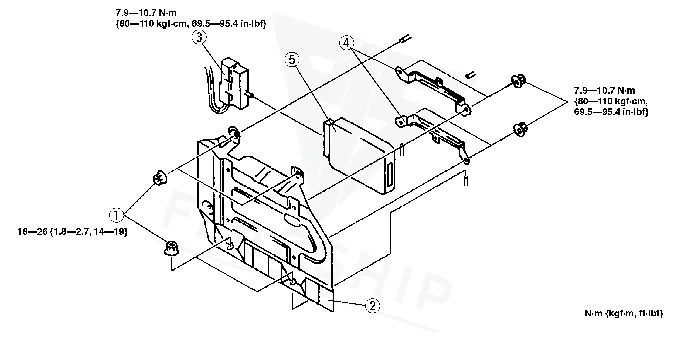
Work with the ignition off, and treat the module as static-sensitive: avoid touching the connector pins at any point.
| Operation | Configuration | Book Time |
|---|---|---|
| Powertrain Control Module R&R | All configurations | 0.5 hr |
| Powertrain Control Module Relearn | All configurations | 0.5 hr |
| Engine Control Module R&R | All configurations | 0.5 hr |
| Engine Control Module Relearn | All configurations | 0.5 hr |
After replacing the PCM or ECM in your 1999 Mazda Protege, the vehicle typically requires a factory relearn procedure to synchronize the new module with its sensors and systems. This process, which takes about 0.5 hours, ensures the module recognizes the engine’s parameters and operates correctly. However, if you install a VIN-programmed replacement unit, this step is already completed, saving you time and avoiding potential dealer trips. Flagship One provides modules that are pre-programmed to your vehicle’s VIN, so you can install and drive without additional setup. This eliminates the risk of errors during the relearn process and ensures your Protege runs as intended right after installation.
When the PCM or ECM in your 1999 Mazda Protege begins to fail, you may notice a range of symptoms that can disrupt your driving experience. Common signs include intermittent stalling, especially at idle or during acceleration, as the module struggles to maintain proper fuel and ignition timing. You might also experience a no-start condition, where the engine cranks but refuses to fire, often due to incorrect sensor readings being sent to the module. Misfires or rough running can occur if the module fails to adjust fuel delivery or spark timing correctly. Transmission shifting issues, such as harsh or delayed shifts, may also arise, particularly if the module isn’t communicating properly with the transmission control system. Another telltale sign is the illumination of the check engine light, often accompanied by trouble codes like faulty second-gear ratio. If your scan tool can’t communicate with the module at all, that’s a strong indication the module itself has failed. Addressing these symptoms early can prevent further damage to your vehicle’s systems.
Mazda has issued several service bulletins relevant to the 1999 Protege that address issues related to the PCM/ECM and other systems. One bulletin, 05 002/00, covers a condition where the vehicle may not shift out of second or third gear, with the overdrive off indicator light flashing and trouble codes P0732, P0733, or P0734 present. This often points to a transmission control issue that may involve the PCM. Another bulletin, 07 002/09, addresses a musty or mildew odor in the air conditioning system, which, while not directly related to the PCM, is a common concern for owners. Additionally, Mazda has noted changes in remanufactured ECM numbering, which may be relevant if you’re considering a replacement unit.
| Bulletin | Subject | What It Addresses |
|---|---|---|
| — | Mazda Tips: Remanufactured Ecu Numbering Change | — |
| — | 05 002/00 1999 Protege No Shift From 2nd Or 3rd, O/D Off Indicator Light Flashing DTC P0732, P0 | — |
| — | 07 002/09 Multi Model Air Conditioning Musty / Mildew Odor | — |
Common signs include stalling, no-start conditions, rough idling, or transmission shifting issues. If your check engine light is on, a scan tool may reveal trouble codes related to the PCM or its sensors. In some cases, the vehicle may not communicate with a scan tool at all, indicating a complete module failure.
Yes, the PCM is accessible in the engine bay and can be replaced with basic hand tools. However, after installation, the module typically requires a relearn procedure, which may need to be performed by a dealer unless you install a pre-programmed unit.
In the 1999 Mazda Protege, the terms PCM (powertrain control module) and ECM (engine control module) are often used interchangeably. Both refer to the same unit that controls engine and transmission functions. The PCM is the more modern term, but the module’s role remains the same.
If your vehicle stalls after a PCM replacement, it’s often due to the module not being properly relearned to the vehicle’s systems. This can happen if the relearn procedure isn’t completed or if the new module isn’t programmed to your vehicle’s VIN. A pre-programmed unit can help avoid this issue.
Replacing the PCM typically takes about 0.5 hours, while the relearn procedure adds another 0.5 hours. If you install a pre-programmed unit, the relearn step is unnecessary, saving you time and potential dealer fees.
If your 1999 Mazda Protege is showing signs of PCM failure, you have options beyond a costly dealer replacement. A refurbished or remanufactured unit can restore your vehicle’s performance at a fraction of the cost. Since the factory requires a relearn procedure after installation, choosing a pre-programmed module eliminates that step, allowing you to get back on the road faster. Whether you tackle the job yourself or have a professional handle it, understanding the process ensures you make the best choice for your vehicle.
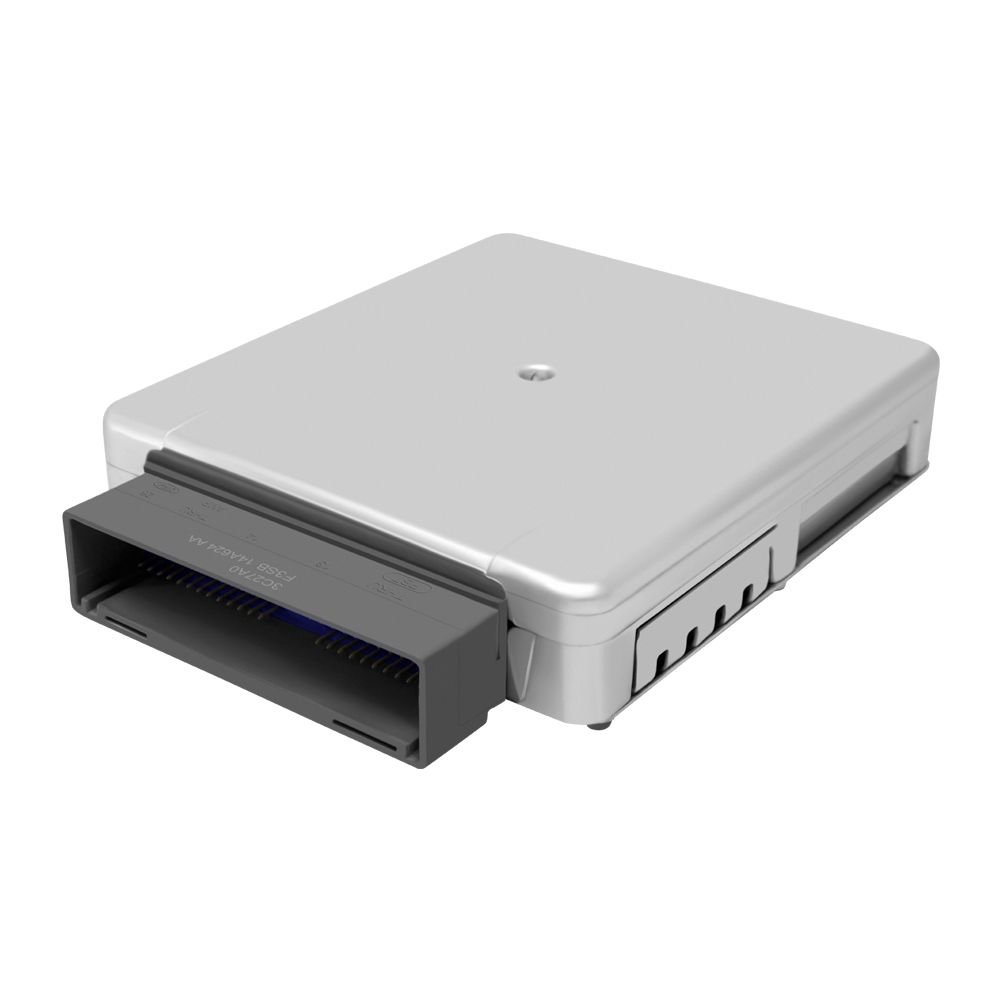
Flagship One stocks a refurbished, VIN-programmed PCM for the 1999 Mazda Protege with a lifetime warranty, free shipping and no core charge. The full Mazda Protege module lineup covers other engine configurations as well.
The 1999 Mazda Protege relies on its PCM or ECM to keep the engine and transmission running smoothly. If you’re experiencing stalling, no-start conditions, or shifting issues, this module may be the culprit. Replacing it is a straightforward process, but ensuring it’s properly programmed and relearned is key to avoiding further problems. With the right replacement unit, you can restore your Protege’s reliability and keep it running for years to come.