
Last updated on August 25th, 2026 at 01:38 pm
In the 1999 Ford Crown Victoria, the Powertrain Control Module (PCM) is the central computer that manages engine timing, fuel injection, and transmission shift points. Failure of this unit can lead to poor performance, misfires, or a loss of communication with diagnostic tools.
You may have noticed that your 1999 Ford Crown Victoria is struggling with stalls, hesitation, or unexpected engine shutdowns. These symptoms often point to a fault in the Powertrain Control Module, the brain that coordinates engine and transmission behavior. Understanding what the PCM does, how to locate it, and the steps needed to replace and program it can help you avoid costly repairs. This guide will walk you through the essential steps, highlight key service bulletins, and offer practical prevention tips so you can keep your vehicle running smoothly.
1999 Ford Crown Victoria
OEM programmed ECM for your 1999 Ford Crown Victoria — plug & play, no dealer visit.
Free shipping · Lifetime warranty
The Powertrain Control Module in the 1999 Ford Crown Victoria manages engine combustion timing, fuel delivery, and shift logic for the 4R70W transmission. It interprets sensor data such as throttle position, engine speed, and coolant temperature to adjust ignition timing and fuel injection, ensuring optimal performance and emissions control. replacement engine computers for the Crown Victoria When the PCM malfunctions, it can send incorrect signals to the engine or transmission, causing misfires, stalling, or erratic shift behavior. Because the PCM sits at the heart of the vehicle’s engine management system, a failure can cascade into multiple drivability issues, making accurate diagnosis and replacement critical for reliable operation. The module’s firmware is tailored to the 1999 Crown Victoria’s specifications, so any replacement must match the vehicle’s VIN and configuration to maintain compliance with emissions and performance standards.
The PCM is located in the engine compartment, mounted on the front of the transmission bell housing. Accessing the unit requires removing the engine cover, disconnecting the battery, and unbolting the module from its bracket. The replacement procedure is straightforward: remove the old unit, install the new one, and torque the mounting bolts to the manufacturer’s specification. Once installed, the module requires a relearn procedure that takes approximately 0.5 hours, followed by a complete removal and replacement cycle that typically takes 1.0 hours. These times reflect the labor hours needed to complete the work safely and accurately.
Work with the ignition off, and treat the module as static-sensitive: avoid touching the connector pins at any point.
| Operation | Configuration | Book Time |
|---|---|---|
| Engine Control Module Relearn | All configurations | 0.5 hr |
| Engine Control Module R&R | All configurations | 1.0 hr |
| Powertrain Control System Diagnosis & Testing | All configurations | 0.5 hr |
After installing the new PCM, the factory requires a relearn sequence to calibrate idle speed, throttle response, and transmission shift points. Flagship One units arrive VIN‑programmed, so that relearn step is already completed during manufacturing. Consequently, the only post‑installation action needed is to verify that the module is properly seated and that all connections are secure. a VIN‑programmed replacement unit This eliminates the need for additional diagnostic equipment and speeds up the overall repair process.
When the PCM in a 1999 Ford Crown Victoria fails, you may observe a range of symptoms including engine misfires, hesitation during acceleration, and sudden stalling. The vehicle may also generate a diagnostic trouble code such as P0601, which indicates a failure in the PCM control module. In some cases, the scan tool will show a dead or intermittent communication with the engine computer, leading to a loss of real‑time data. These symptoms can result in reduced fuel economy, increased emissions, and a compromised driving experience.
TSB 99-04-03 addresses reprogramming of Powertrain Control Modules for EEC V vehicles when performed out‑of‑vehicle. TSB 99-18-01 focuses on the 4R70W transmission calibration for Crown Victoria police vehicles built before 7/30/1999, detailing maximum speed recalibration to 126 MPH and noting a vibration/fluid leak at the extension housing.
| Bulletin | Subject | What It Addresses |
|---|---|---|
| 99-04-03 | EEC V VEHICLES ONLY – OUT-OF-VEHICLE – REPROGRAMMING POWERTRAIN CONTROL MODULES (PCMS) | — |
| 99-18-01 | 4R70W – CALIBRATION – CROWN VICTORIA POLICE VEHICLES BUILT THROUGH 7/30/1999 ONLY – MAXIMUM SPE | — |
If your 1999 Ford Crown Victoria is experiencing PCM‑related issues, you have the option of a full replacement or a refurbished unit that retains the original VIN programming. Either choice ensures that the module is correctly calibrated for your vehicle’s engine and transmission, helping you avoid costly repairs down the line.
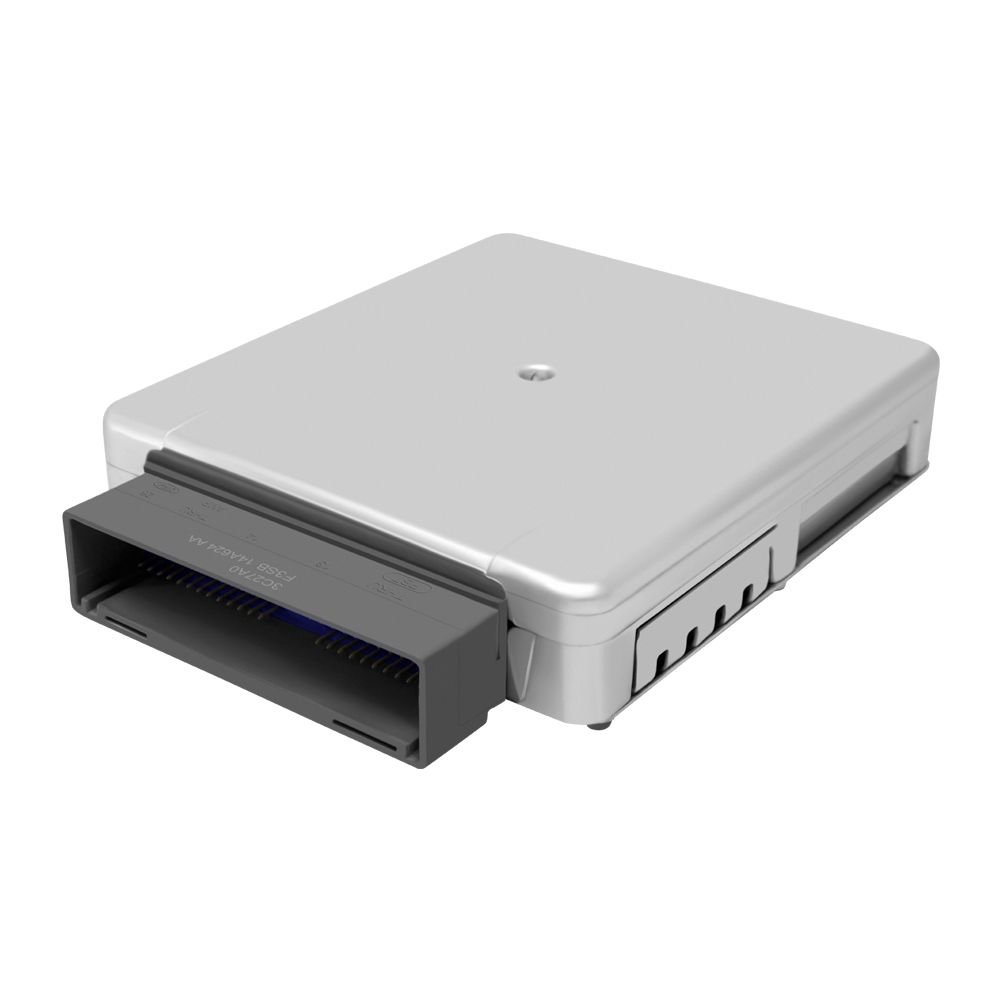
Flagship One stocks a refurbished, VIN-programmed PCM for the 1999 Ford Crown Victoria with a lifetime warranty, free shipping and no core charge. The full Ford Crown Victoria module lineup covers other engine configurations as well.
For the 1999 Ford Crown Victoria, a reliable PCM replacement can restore smooth operation and prevent further mechanical complications. Consider a VIN‑programmed unit to keep the repair process straightforward and ensure your vehicle remains compliant with factory specifications.