
Last updated on August 25th, 2026 at 02:29 pm
The Powertrain Control Module (PCM) in your 1999 Chevrolet Monte Carlo with the 3.1L engine serves as the central computer managing fuel injection, ignition timing, transmission shift points, and emissions systems. Internal memory corruption within the PCM can trigger various diagnostic codes and cause drivability issues.
If your 1999 Chevrolet Monte Carlo is experiencing starting issues, intermittent stalling, or has illuminated a check engine light, the Powertrain Control Module may be the culprit. The PCM serves as the brain of your vehicle’s powertrain, coordinating engine and transmission operations based on sensor inputs. This guide explains what the PCM does, where it’s located, common failure symptoms, and what the replacement process involves for your specific Monte Carlo.
The Powertrain Control Module in your 1999 Monte Carlo functions as the central computer for the 3.1L V6 engine and automatic transmission. This replacement engine computers for the Monte Carlo processes inputs from dozens of sensors throughout the powertrain and adjusts fuel delivery, ignition timing, and transmission shift patterns in real time. It also monitors emissions systems and controls the torque converter clutch. When the internal memory or processor within the PCM fails, the module can no longer properly manage these critical functions, resulting in drivability symptoms that range from subtle performance decreases to complete no-start conditions. The PCM communicates with other controllers in your vehicle through the GM LAN, and a failing module often sets multiple diagnostic trouble codes related to its own internal functions.
The PCM on your 1999 Chevrolet Monte Carlo is typically mounted in the engine compartment. According to factory labor guides, the Engine Control Module R&R (remove and replace) requires approximately 1.1 hours of book time, with an additional 0.5 hours for the relearn procedure after installation. The replacement process involves disconnecting the battery negative terminal first, then accessing the module connector while the ignition is turned OFF as the factory caution specifies. Technicians should ensure the ignition remains off throughout the entire procedure, including when disconnecting or reconnecting the PCM connector, to prevent internal damage to the module. After the new module is installed, the battery is reconnected and the relearn procedure is performed.
| Operation | Configuration | Book Time |
|---|---|---|
| Powertrain Control Module Relearn | All configurations | 0.5 hr |
| Engine Control Module R&R | All configurations | 1.1 hr |
| Engine Control Module Relearn | All configurations | 0.5 hr |
1999 Chevrolet Monte Carlo
OEM programmed ECM for your 1999 Chevrolet Monte Carlo — plug & play, no dealer visit.
Free shipping · Lifetime warranty
Following PCM replacement on your 1999 Monte Carlo, the factory procedure requires recording the remaining engine oil life from the old module and programming that value into the replacement unit. If this step is skipped, the new module will default to 100% engine oil life, which could lead to overdue oil changes. The vehicle must also undergo a relearn procedure so the new PCM can adapt to your engine’s unique characteristics. When you purchase a VIN-programmed replacement unit from Flagship One, the module arrives pre-programmed with your specific vehicle identification number, eliminating most of these post-install programming steps and ensuring the oil life percentage is correctly transferred.
Common symptoms of PCM failure in the 1999 Monte Carlo include a no-start condition where the engine cranks but will not run, intermittent stalling especially at idle, and hard starting when the engine is warm. You may also experience persistent misfire codes, illuminated check engine light, or a completely dead scan tool that cannot communicate with the vehicle’s computers. Transmission shifting may become harsh or erratic, and the engine may run rich or lean despite sensor readings appearing normal. In some cases, the vehicle may run but exhibit decreased power and poor fuel economy. Specific module-internal codes like internal memory check sum failure may be stored, indicating the PCM’s internal circuitry has degraded.
The 1999 Chevrolet Monte Carlo with 3.1L engine may store several module-internal trouble codes when the PCM itself develops internal faults. These codes indicate problems within the control module’s processor, memory, or output circuits rather than issues with external sensors or wiring.
| Code | Meaning | Full Guide |
|---|---|---|
| P0601 | Internal memory checksum error | Full P0601 guide → |
| P0602 | Control module programming error | Full P0602 guide → |
| P0620 | Module-internal fault | Full P0620 guide → |
| P0650 | Module-internal fault | Full P0650 guide → |
| P0656 | Module-internal fault | Full P0656 guide → |
| P1626 | Module-internal fault | — |
| P1629 | Module-internal fault | — |
| P1635 | Module-internal fault | — |
| P1637 | Module-internal fault | — |
| P1639 | Module-internal fault | — |
| P1653 | Module-internal fault | — |
| P1663 | Module-internal fault | — |
Factory service bulletin #99-06-04-053 covers PCM reprogramming procedures for this era of GM vehicles, while bulletin #83-81-32 addresses new PCM connector service kits that may be required during replacement. Bulletin #02-06-04-057E provides warranty labor operation assignments for control module reprogramming, establishing standard labor times and procedures for GM dealers performing these repairs. These bulletins collectively document GM’s recommended approach to PCM service, emphasizing proper programming procedures and the use of correct connector components.
| Bulletin | Subject | What It Addresses |
|---|---|---|
| 99-06-04-053 | Info – PCM Reprogramming – (Oct 26, 1999) | — |
| 83-81-32 | INFO – NEW PCM CONNECTOR SERVICE KITS – (Sep 16, 1998) | — |
| 02-06-04-057 | Warranty Admin. – Labor Operation Assignments for All Control Module Reprogramming – (Mar 2, 20 | — |
A used PCM requires programming to match your specific vehicle identification number before it will function. Without proper GM programming software, a salvage unit will not communicate with your vehicle’s other modules. Flagship One sells VIN-programmed replacement units that arrive ready to install.
Driving with a compromised PCM is not recommended. Depending on the failure mode, your vehicle may stall unexpectedly, fail to start, or experience harsh shifting that could leave you stranded. Emissions systems may also be affected, potentially causing your vehicle to fail inspection.
A technician can diagnose this by scanning for diagnostic trouble codes. Codes in the P0600 series typically indicate internal PCM problems, while codes pointing to specific sensors or circuits suggest those components are at fault. A no-start condition combined with P0600-series codes points strongly to PCM failure.
When your 1999 Chevrolet Monte Carlo requires PCM replacement, you have two primary options: a new OEM unit or a quality refurbished replacement. The PCM is a complex electronic component that demands proper programming, so professional installation is strongly recommended regardless of which route you choose. Flagship One provides VIN-programmed replacement units specifically configured for the 1999 Monte Carlo, saving you the hassle of finding a programmer and ensuring the oil life percentage transfers correctly.
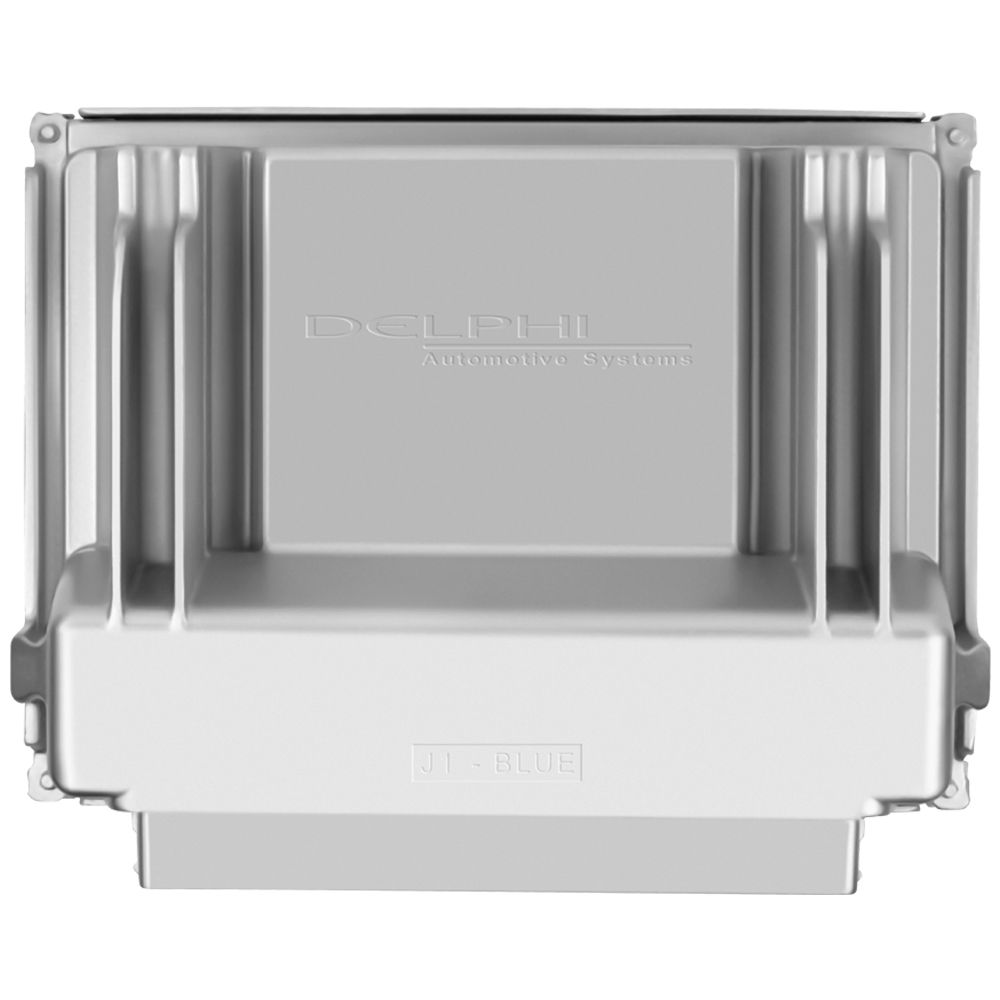
Flagship One stocks a refurbished, VIN-programmed PCM for the 1999 Chevrolet Monte Carlo with a lifetime warranty, free shipping and no core charge. The full Chevrolet Monte Carlo module lineup covers other engine configurations as well.
The Powertrain Control Module is a critical component in your 1999 Chevrolet Monte Carlo, managing engine and transmission functions that affect drivability, emissions, and reliability. If diagnostic testing confirms PCM failure, replacing the module with a properly programmed unit will restore your vehicle’s performance. Whether you choose OEM or quality aftermarket, ensure the replacement arrives pre-programmed with your VIN for a straightforward installation.