
Last updated on August 25th, 2026 at 01:11 pm
The Powertrain Control Module (PCM) in your 1998 Jeep Wrangler manages fuel injection, ignition timing, and emissions systems. Failures may lead to rough idling, stalling, or a complete no-start condition due to disrupted engine control signals.
If your 1998 Jeep Wrangler has been acting up—stalling at stops, refusing to start, or throwing mysterious check-engine lights—your Powertrain Control Module (PCM) may be the culprit. This small but critical computer manages everything from fuel delivery to ignition timing, and when it fails, your Wrangler’s performance suffers. Replacing it isn’t just about swapping a part; it involves precise programming to ensure the new unit syncs with your vehicle’s systems. Understanding the process helps you avoid unnecessary delays or costly mistakes. Whether you’re tackling the job yourself or leaving it to a shop, knowing what’s involved ensures your Wrangler runs reliably again. This guide covers the essentials: what the PCM does, how to replace it, and why programming matters for your specific model.
The Powertrain Control Module (PCM) in your 1998 Jeep Wrangler serves as the brain of the engine and transmission. It constantly monitors sensors to adjust fuel injection, ignition timing, and idle speed for optimal performance. Without it, your Wrangler wouldn’t know how much fuel to deliver or when to spark the plugs, leading to poor drivability or a complete breakdown. The PCM also communicates with the transmission to ensure smooth shifting, making it vital for both power and efficiency. Over time, heat, vibration, or electrical issues may degrade its performance, causing intermittent or permanent failures. When replacement becomes necessary, you’ll need replacement engine computers for the Wrangler that match your vehicle’s specifications. A faulty PCM doesn’t just affect engine performance—it can trigger a cascade of issues, from increased emissions to transmission slippage, so addressing it promptly is key to keeping your Wrangler on the road.
1998 Jeep Wrangler
OEM programmed ECM for your 1998 Jeep Wrangler — plug & play, no dealer visit.
Free shipping · Lifetime warranty
In the 1998 Jeep Wrangler, the PCM is mounted inside the engine bay, typically secured near the firewall or fender well for protection from the elements. Replacing it involves disconnecting the battery to prevent electrical shorts, then unplugging the wiring harness and removing the mounting bolts. The labor time for removal and reinstallation is listed at 0.4 hours, though accessing the module may require moving other components depending on your Wrangler’s configuration. Once the old unit is out, the new PCM is bolted into place, and the wiring harness is reconnected. Proper torque on the mounting bolts is important to prevent vibration damage, though specific torque values aren’t always provided in standard labor guides. After installation, the module must undergo a relearn procedure to sync with the vehicle’s systems, which adds another 0.5 hours of labor if performed separately.
Work with the ignition off, and treat the module as static-sensitive: avoid touching the connector pins at any point.
| Operation | Configuration | Book Time |
|---|---|---|
| Powertrain Control Module R&R | All configurations | 0.4 hr |
| Engine Control Module Relearn | All configurations | 0.5 hr |
| Engine Control Module R&R | All configurations | 0.4 hr |
After installing a new PCM in your 1998 Jeep Wrangler, the factory procedure requires reprogramming the module with the vehicle’s original VIN and mileage using a DRB scan tool. This step ensures the PCM recognizes the engine, transmission, and emissions systems specific to your Wrangler. Without this programming, the module may not function correctly, leading to poor performance or even a no-start condition. However, if you opt for a VIN-programmed replacement unit, these steps are already completed before the module arrives. This eliminates the need for on-site programming, saving time and reducing the risk of errors during the process. The DRB tool is the only equipment approved for this task, so shops or DIYers must have access to one to complete the job properly.
A failing PCM in your 1998 Jeep Wrangler can manifest in several ways, often mimicking other issues like fuel pump or ignition problems. One of the most common signs is a no-start condition, where the engine cranks but refuses to fire. Stalling at idle or during acceleration is another red flag, as the PCM may lose its ability to regulate fuel or spark timing. You might also notice rough idling, misfires, or a check-engine light that won’t reset, even after clearing codes. In some cases, the transmission may shift erratically or fail to engage gears properly, as the PCM controls both engine and transmission functions. Diagnostic tools may struggle to communicate with the module, leaving you with a blank screen or incomplete data. If you scan for codes and find something like an internal control module memory error, it’s a strong indicator that the PCM is failing and needs attention. These symptoms often worsen over time, so addressing them early can prevent more serious drivability issues down the road.
Chrysler issued service bulletin #18-21-98 to address concerns with the Powertrain Control Module (PCM) in the 1998 Jeep Wrangler. The bulletin outlines precautions for servicing the PCM, emphasizing proper handling and installation techniques to avoid damage. It also highlights the importance of verifying the module’s compatibility with the vehicle’s systems before replacement. Following these guidelines helps prevent premature failures and ensures the new PCM operates as intended. While the bulletin doesn’t detail specific failure modes, it serves as a reminder to treat the PCM as a sensitive electronic component during any repair work.
| Bulletin | Subject | What It Addresses |
|---|---|---|
| 18-21-98 | 18-21-98 Powertrain Control Module (PCM) Service Caution | — |
Common signs include stalling, rough idling, a no-start condition, or erratic transmission shifting. Diagnostic trouble codes like P0601 may also indicate an internal PCM fault. If your scan tool can’t communicate with the module, that’s another strong clue.
Yes, if you’re comfortable working with electrical components. The labor time is minimal, but you’ll need a DRB scan tool to program the new module with your VIN and mileage. Without programming, the PCM won’t function correctly.
The VIN ensures the PCM is calibrated for your specific engine, transmission, and emissions systems. Without it, the module may not recognize critical sensors or control outputs, leading to poor performance or a no-start condition.
The module may not communicate with the engine or transmission, causing stalling, misfires, or shifting issues. In some cases, the vehicle may not start at all. Factory procedures require VIN and mileage programming to avoid these problems.
Yes. The PCM is sensitive to static electricity, so avoid touching the pins or circuit board. Disconnect the battery before removal to prevent electrical shorts, and store the module in an anti-static bag if not installing it immediately.
If your 1998 Jeep Wrangler is showing signs of PCM failure, you have a few options. A repair shop can diagnose and replace the module, but labor and programming costs can add up quickly. Alternatively, a pre-programmed replacement unit eliminates the need for on-site programming, saving time and reducing the risk of errors. Whether you choose a new or refurbished module, ensuring it’s compatible with your Wrangler’s 2.5L engine is critical for reliable performance.
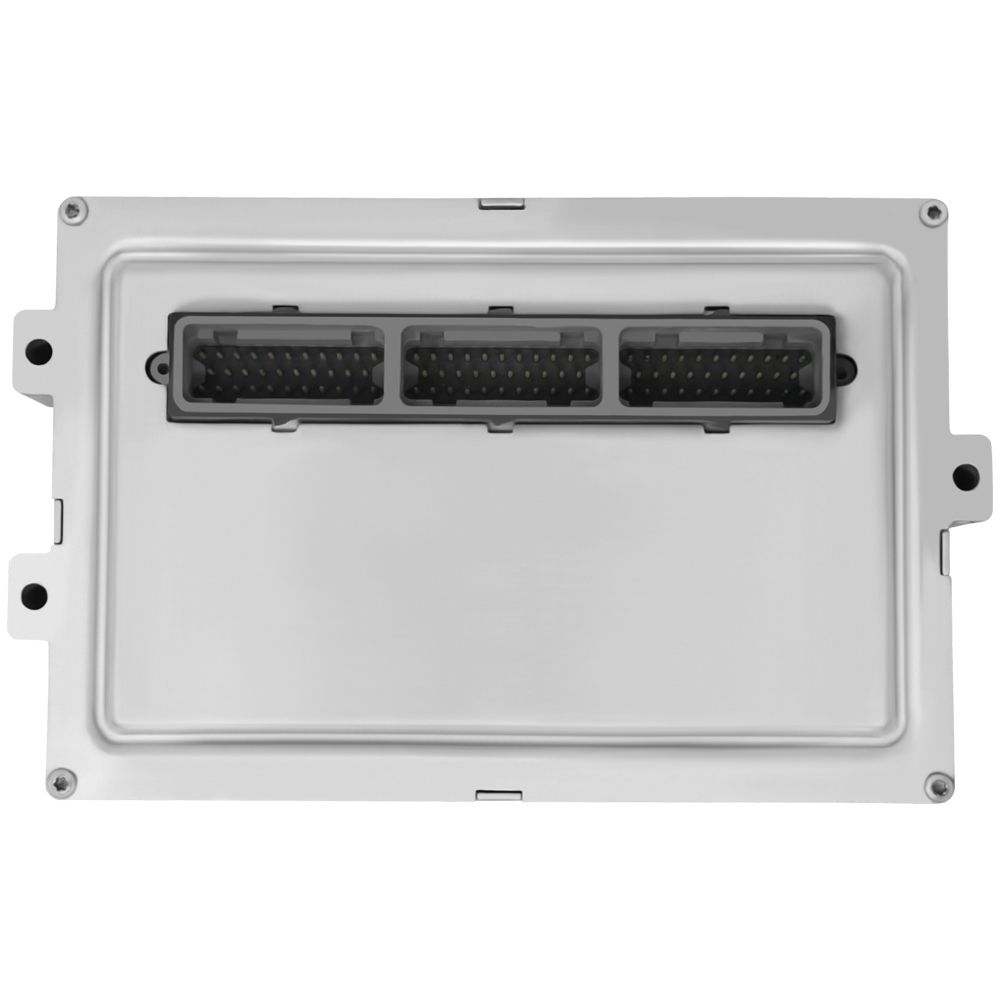
Flagship One stocks a refurbished, VIN-programmed PCM for the 1998 Jeep Wrangler with a lifetime warranty, free shipping and no core charge. The full Jeep Wrangler module lineup covers other engine configurations as well.
A failing PCM in your 1998 Jeep Wrangler can turn a dependable off-roader into a frustrating project. Understanding the symptoms, replacement steps, and programming requirements helps you make informed decisions, whether you’re tackling the job yourself or leaving it to a professional. With the right module and proper installation, your Wrangler will be back on the road—or trail—where it belongs.