
Last updated on August 25th, 2026 at 02:19 pm
In the 1998 BMW Z3 equipped with the 2.8L engine, the Engine Control Module (ECM) and Powertrain Control Module (PCM) manage fuel injection, ignition timing, and transmission coordination. Failure of these computers can trigger the check engine light, store diagnostic trouble codes, and potentially disable engine operation.
When a 1998 BMW Z3 (2.8L) begins to illuminate the check engine light or stores fault codes in the DME/ECM, the likely culprit is a failing engine or powertrain control module. Understanding how these computers function, where they sit, and what the factory expects after a swap can save you time and prevent unnecessary repairs. This guide walks you through the purpose of the modules, the physical removal steps, the required programming, and the typical symptoms you may encounter. By the end, you should feel confident evaluating the condition of the module, coordinating a replacement, and ensuring the vehicle returns to reliable operation.
The Engine Control Module in a 1998 BMW Z3 (2.8L) acts as the vehicle’s brain for engine management, constantly monitoring sensor inputs to adjust fuel delivery, spark timing, and emission controls. The Powertrain Control Module works in tandem, handling transmission shift logic and coordinating with the ECM to optimize performance. Together, they ensure smooth power delivery and compliance with emissions standards. A malfunction can interrupt these processes, leading to erratic engine behavior or loss of driveability. Proper operation is essential for maintaining fuel efficiency and protecting downstream components. For owners needing a swap, the market offers replacement engine computers for the 1998 BMW Z3 that match the vehicle’s specifications and communication protocols.
1998 BMW Z3 (2.8L)
OEM programmed replacements — plug & play, no dealer visit.
Find yours by year, make & model →
Free shipping · Lifetime warranty
Both the ECM and PCM are mounted within the engine bay of the 1998 BMW Z3 (2.8L), typically attached to the firewall or near the intake manifold. Removal involves disconnecting the electrical connectors, releasing any retaining bolts, and extracting the unit from its bracket. According to the labor guide, each removal and reinstall task is allocated 0.4 hours, reflecting the straightforward access but careful handling required. After the PCM is installed, an additional 0.5 hours is noted for the relearn procedure, which ensures the new module synchronizes with the vehicle’s existing parameters. No torque specifications are listed, so standard tightening to secure the unit without over‑torquing is advisable.
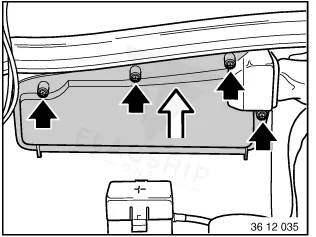
Work with the ignition off, and treat the module as static-sensitive: avoid touching the connector pins at any point.
| Operation | Configuration | Book Time |
|---|---|---|
| Engine Control Module R&R | 1.9L | 0.4 hr |
| Engine Control Module R&R | 2.8L | 0.4 hr |
| Powertrain Control Module R&R | 1.9L | 0.4 hr |
| Powertrain Control Module R&R | 2.8L | 0.4 hr |
| Powertrain Control Module Relearn | All configurations | 0.5 hr |
Factory service procedures dictate that after installing a new ECM or PCM, the vehicle must undergo a programming sequence to load the correct VIN and calibration data. Flagship One units arrive pre‑programmed, meaning the VIN and required software are already matched to the 1998 BMW Z3 (2.8L). This eliminates the need for the technician to perform the VIN‑programming step on the shop floor. The only remaining task is to complete the PCM relearn, which the labor guide estimates at 0.5 hours. Using a pre‑programmed a VIN‑programmed replacement unit streamlines the process and reduces the chance of mismatched data.
When the ECM or PCM begins to fail in a 1998 BMW Z3 (2.8L), owners often notice the check engine lamp flashing or staying illuminated, accompanied by stored diagnostic codes that reference engine control issues. Additional signs may include rough idle, intermittent stalling, or a loss of power during acceleration. In some cases, the transmission may exhibit harsh or delayed shifts because the PCM cannot properly command gear changes. Communication with a scan tool may become unreliable, making it difficult to retrieve live data. These symptoms align with the typical fault patterns documented for engine control modules, and one may encounter a code such as ECM internal failure during diagnosis.
| Bulletin | Subject | What It Addresses |
|---|---|---|
| — | Check Engine Light Illuminated, Faults Stored in DME/ECM | — |
| — | Engine Control Module Codes | — |
The removal process is relatively simple, but you will need a scan tool for the relearn step. If you are comfortable with basic electrical work, you can perform the swap, though professional verification is recommended.
The relearn requires the vehicle to be placed in a specific mode using a diagnostic device, allowing the new PCM to capture baseline sensor data. The factory guide allocates about half an hour for this operation.
It removes the need for VIN and software loading, but the PCM relearn still must be completed to synchronize the new unit with the vehicle’s existing parameters.
Typical codes include those indicating internal ECM faults, sensor mismatches, and communication errors. A diagnostic scan will reveal the exact code stored.
Regular visual checks during routine service, especially if you notice intermittent warning lights, can help catch corrosion or loose pins before they cause failure.
When the ECM or PCM in your 1998 BMW Z3 (2.8L) needs attention, you can choose a brand‑new factory‑spec unit or a refurbished replacement that meets the same performance standards. Both options require the same removal steps and the PCM relearn, but a refurbished part from Flagship One arrives VIN‑programmed, reducing shop time. Evaluate the condition of your current module, consider mileage and warranty preferences, and select the path that aligns with your service plan.
Flagship One stocks a refurbished, VIN-programmed PCM for the 1998 BMW Z3 with a lifetime warranty, free shipping and no core charge. The full BMW Z3 module lineup covers other engine configurations as well.
Replacing the engine or powertrain control module in a 1998 BMW Z3 (2.8L) can restore reliable operation and clear stored faults. Whether you opt for a new or refurbished unit, following the outlined steps ensures the vehicle returns to optimal performance. Contact a qualified technician to assess the best solution for your situation.