
Last updated on August 25th, 2026 at 12:07 pm
The engine control module in the 1996 Toyota Tercel manages fuel delivery, ignition timing, and emissions functions for the 1.5L engine. When this unit fails, it may cause stalling, no-start conditions, or loss of diagnostic communication, preventing the vehicle from running properly or being serviced through standard scan tools.
When your 1996 Toyota Tercel begins exhibiting unusual drivability problems, the engine control module may be among the components worth investigating. This compact sedan relies on its onboard computer to regulate critical engine functions, and when that computer malfunctions, the symptoms can range from intermittent stalling to a complete failure to start. Understanding how this module operates, where it sits in the vehicle, and what is involved in replacing it can help you make informed decisions about repairs. The 1.5L engine in the Tercel uses electronic controls to manage fuel injection, ignition timing, and emissions systems, all coordinated through a single engine control unit. If you are experiencing persistent issues that mechanical troubleshooting has not resolved, the computer itself may be the culprit. Replacing an engine control module involves more than simply swapping parts. The unit must be removed, a new one installed, and in many cases a relearn procedure performed so the vehicle recognizes the replacement. This guide walks through what the module does, how replacement works according to published labor times, and what programming steps may be necessary after installation to get your Tercel back on the road.
Engine computer (ECM/PCM)
OEM programmed replacements — plug & play, no dealer visit.
Find yours by year, make & model →
Free shipping · Lifetime warranty
The engine control module in the 1996 Toyota Tercel serves as the central processor for the vehicle’s electronic engine management system. The module continuously receives input from sensors throughout the 1.5L powertrain, including the mass airflow sensor, oxygen sensor, throttle position sensor, coolant temperature sensor, and crankshaft position sensor. It uses that data to calculate precise fuel injector pulse widths, ignition timing advance, and idle speed control adjustments. The module also monitors emissions-related components and stores diagnostic trouble codes when it detects conditions outside expected parameters. In this specific vehicle, the computer manages a relatively straightforward single-overhead-cam engine, but its role is no less critical than in more complex powertrains. When the module is functioning correctly, the Tercel delivers smooth idle, responsive throttle, and efficient fuel economy. When it begins to fail, the consequences can be significant. Internal processor faults, damaged circuitry from voltage spikes, or degraded solder joints can all cause the module to lose control of essential engine functions. Drivers may notice rough running, hesitation during acceleration, or in severe cases a vehicle that will not start at all. Because the module also controls the fuel pump relay circuit and manages communication with diagnostic equipment, a total failure can prevent both engine operation and scan-tool diagnostics. Choosing 1996 Toyota Tercel engine computers that match the original specifications ensures the replacement unit can properly interpret sensor data and command actuators as the factory intended. The module’s software calibration is specific to the Tercel’s 1.5L engine and transmission combination, meaning a used unit from a different vehicle or trim may not operate correctly without reprogramming. This makes sourcing a correctly configured replacement essential for restoring proper drivability.
Published labor guides specify 0.8 hours for engine control module removal and replacement on the 1996 Toyota Tercel, with an additional 0.5 hours allocated for the relearn procedure after the new unit is installed. The same time figures apply whether the component is listed as an engine control module or a powertrain control module, reflecting that this vehicle uses a single integrated computer for both engine and powertrain management. The removal and replacement process involves disconnecting the vehicle battery, locating the module, separating the electrical connectors, physically removing the unit from its mounting, installing the replacement, reconnecting the wiring, and securing the module in place. Because the 0.8-hour figure covers the complete R&R operation, a technician experienced with this vehicle can typically complete the physical swap within that window. The 0.5-hour relearn time accounts for the programming steps required after the hardware is in place.
| Operation | Configuration | Book Time |
|---|---|---|
| Engine Control Module Relearn | All configurations | 0.5 hr |
| Engine Control Module R&R | All configurations | 0.8 hr |
| Powertrain Control Module R&R | All configurations | 0.8 hr |
| Powertrain Control Module Relearn | All configurations | 0.5 hr |
After a new or remanufactured engine control module is physically installed in the 1996 Toyota Tercel, the vehicle typically requires a relearn procedure so the powertrain management system can adapt to the replacement unit. Published labor guides allocate 0.5 hours for this relearn operation, which involves using a compatible scan tool to initiate the adaptation process and clear any learned values stored by the previous module. This step allows the computer to reestablish baseline idle characteristics, fuel trim values, and other adaptive parameters specific to your engine. Without completing this procedure, the vehicle may experience rough idle, poor fuel economy, or drivability issues during the first several drive cycles. Flagship One addresses this requirement by providing a VIN-programmed replacement unit that arrives already configured with the correct software calibration for your specific vehicle, meaning the factory relearn steps have already been performed on the unit before it ships. You still need to perform the physical installation, but the programming and adaptation work that would otherwise require dealer-level equipment is completed in advance.
A failing engine control module in the 1996 Toyota Tercel can produce a wide range of symptoms, and because the computer governs so many interconnected systems, the signs of trouble are not always immediately obvious. One of the most common indicators is a no-start condition where the engine cranks but refuses to fire, often because the module has stopped commanding the fuel injectors or ignition coils. Intermittent stalling is another frequent complaint, particularly at idle or during deceleration, when the computer struggles to maintain proper fuel delivery and idle speed control. Drivers may also notice hesitation or surging during acceleration, as the module fails to calculate correct injector pulse widths based on sensor input. Misfire codes may appear if the ignition timing commands become erratic, and the check engine light may illuminate intermittently or remain on continuously. In some cases, the vehicle may enter a limp-home mode with restricted engine speed and limited throttle response. A particularly telling symptom is complete loss of communication with a diagnostic scan tool, which suggests the module itself has lost internal power or suffered a processor failure rather than simply detecting a sensor fault. Shifting problems are less common in the Tercel since this vehicle typically uses a manual or simple automatic transmission, but erratic behavior in electronically controlled transmissions can still occur if the module’s output signals are compromised. Because these symptoms overlap with failures in sensors, wiring, and fuel system components, thorough diagnosis is essential before concluding the computer has failed.
Published labor guides allocate 0.8 hours for removal and replacement of the module, plus 0.5 hours for the relearn procedure. The physical swap and the programming step are billed separately, so both time figures apply to a complete replacement job.
The vehicle may run with rough idle, poor fuel economy, or hesitation during the first drive cycles. The relearn process allows the computer to establish baseline adaptive values for your specific engine, and without it, drivability may suffer until the module gradually adapts on its own.
A used module from a donor vehicle may not be calibrated identically to yours, particularly if the donor vehicle has a different transmission or emissions configuration. The replacement unit must match your vehicle’s specific calibration, and a used module may still require reprogramming before it functions correctly.
Complete loss of scan-tool communication, a no-start condition with no injector pulse or spark, and intermittent stalling that does not set any sensor-related codes all point toward module failure. A thorough diagnostic process should rule out wiring and sensor faults before replacing the computer.
Flagship One units arrive already VIN-programmed with the correct calibration for your vehicle, so the factory programming steps are completed before shipping. The 0.5-hour relearn procedure listed in labor guides is handled in advance, though you should still clear any existing codes and verify proper operation after installation.
When the engine control module in your 1996 Toyota Tercel has been properly diagnosed as failed, you have options for replacement. A dealer-sourced new unit may require scheduling and programming at the service department, while a quality remanufactured or pre-programmed replacement can save time and reduce total cost. Flagship One offers modules programmed to your vehicle identification number, eliminating the need for dealer-level equipment after installation and getting your Tercel back on the road with less downtime.
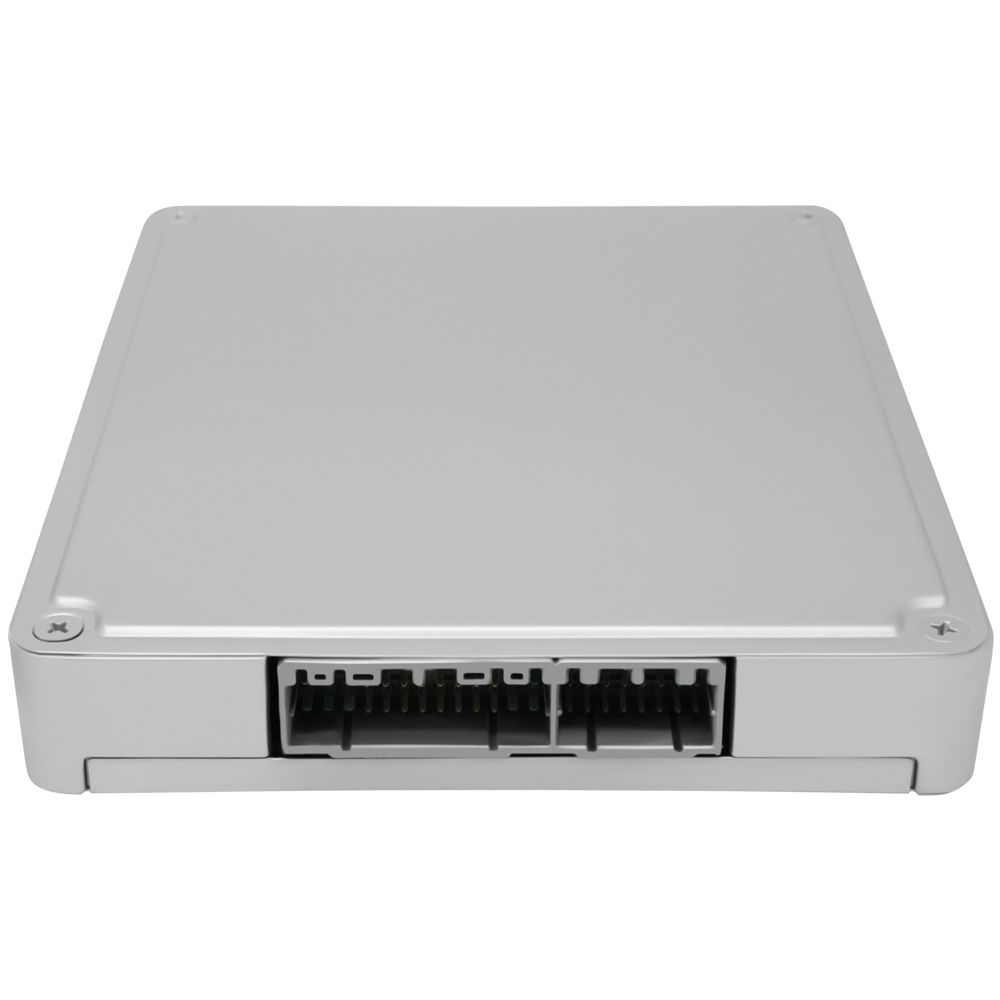
Flagship One stocks a refurbished, VIN-programmed PCM for the 1996 Toyota Tercel with a lifetime warranty, free shipping and no core charge. The full Toyota Tercel module lineup covers other engine configurations as well.
The engine control module in your 1996 Toyota Tercel plays a vital role in keeping the 1.5L engine running smoothly and efficiently. Understanding the replacement process, the labor time involved, and the programming requirements helps you approach the repair with confidence. Whether you choose a dealer, an independent shop, or a pre-programmed unit from Flagship One, proper diagnosis and correct installation remain the keys to a successful outcome.