
Last updated on August 25th, 2026 at 01:06 pm
The Powertrain Control Module (PCM) in your 1996 Mazda MPV manages fuel delivery, ignition timing, and emissions systems. Failures may cause stalling, poor acceleration, or warning lights, often triggered by moisture exposure or electrical faults.
If your 1996 Mazda MPV has been stalling unexpectedly, hesitating during acceleration, or illuminating the check engine light with vague codes, the Powertrain Control Module (PCM) may be at fault. This critical component acts as the brain of your vehicle’s engine and transmission, coordinating fuel injection, ignition timing, and emissions controls. When it malfunctions, symptoms can range from subtle performance issues to complete no-start conditions. Replacing the PCM in this model is straightforward, but understanding its role, location, and the steps required for proper installation can save you time and frustration. Whether you’re diagnosing an existing problem or preparing for a potential repair, knowing how the PCM functions in your Mazda MPV—and what to expect during replacement—will help you make informed decisions about your vehicle’s care.
The Powertrain Control Module (PCM) in your 1996 Mazda MPV is a combined engine and transmission control unit, responsible for managing critical functions like fuel delivery, spark timing, and emissions systems. It continuously monitors sensor inputs, such as throttle position, oxygen levels, and engine temperature, to optimize performance and efficiency. A failing PCM may disrupt these processes, leading to poor drivability, reduced fuel economy, or even prevent the engine from starting. Because the PCM also governs transmission shifting in automatic models, issues with this module can cause erratic gear changes or failure to engage gears. Replacing the PCM with replacement engine computers for the MPV ensures compatibility and restores proper operation, but proper installation and programming are essential to avoid recurring problems. Without a functional PCM, your vehicle’s engine and transmission cannot communicate effectively, making this one of the most critical components in your Mazda’s drivetrain.
1996 Mazda MPV 3.0L
OEM programmed ECM for your 1996 Mazda MPV 3.0L — plug & play, no dealer visit.
Free shipping · Lifetime warranty
In the 1996 Mazda MPV, the Powertrain Control Module (PCM) is typically located near the engine bay, often mounted on the firewall or inner fender for protection. Accessing it requires removing a few bolts or clips securing the protective cover, followed by disconnecting the wiring harness. The replacement process is relatively simple, with factory labor estimates at 0.7 hours for removal and reinstallation. After installing the new module, the electrical connector must be securely reattached to ensure proper communication with sensors and actuators. While no specialized tools are required beyond basic hand tools, care should be taken to avoid damaging the connector or module during handling. Once installed, the PCM may require a relearn procedure to synchronize with the vehicle’s systems, though this step is often unnecessary with a pre-programmed unit.
| Operation | Configuration | Book Time |
|---|---|---|
| Powertrain Control Module R&R | All configurations | 0.7 hr |
| Powertrain Control Module Relearn | All configurations | 0.5 hr |
| Engine Control Module R&R | All configurations | 0.7 hr |
| Engine Control Module Relearn | All configurations | 0.5 hr |
After replacing the Powertrain Control Module (PCM) in your 1996 Mazda MPV, the vehicle typically requires a relearn procedure to ensure proper communication between the new module and the engine’s sensors. This process, which takes about 0.5 hours according to factory labor estimates, allows the PCM to adapt to your specific vehicle’s fuel system, ignition timing, and emissions controls. However, if you install a VIN-programmed replacement unit, these steps are already completed, saving you time and potential frustration. The pre-programmed module arrives ready to plug in and drive, eliminating the need for manual initialization or dealer visits. This convenience is particularly valuable for older vehicles like the MPV, where compatibility and calibration are critical to restoring smooth operation. Always verify that the replacement unit matches your vehicle’s exact specifications to avoid drivability issues.
A failing Powertrain Control Module (PCM) in your 1996 Mazda MPV may cause a range of symptoms, often mimicking other mechanical or electrical issues. Common signs include intermittent stalling, especially at idle or during deceleration, as well as hesitation or surging during acceleration. You might also notice the check engine light illuminating with multiple diagnostic trouble codes, such as internal control module memory checksum error, which indicates a fault within the PCM itself. Other potential symptoms include rough idling, poor fuel economy, or difficulty starting the engine, particularly in cold weather. In some cases, the transmission may shift erratically or fail to engage gears properly, as the PCM also controls transmission functions in automatic models. If your scan tool fails to communicate with the PCM, this could signal a complete module failure or a wiring issue. Because these symptoms can overlap with problems like vacuum leaks, sensor failures, or fuel system issues, proper diagnosis is essential before replacing the PCM.
Mazda has issued service bulletins addressing common PCM-related issues in the 1996 MPV. One bulletin notes that water dripping onto the Powertrain Control Module may cause stalling, hesitation, or multiple diagnostic trouble codes. Another highlights the importance of inspecting vacuum hoses for pinches or restrictions, as these can trigger symptoms similar to PCM failure. Additionally, Mazda has documented changes in remanufactured ECU numbering, which may affect part identification during replacement. While these bulletins do not cover every possible scenario, they provide useful guidance for diagnosing and resolving PCM-related concerns in this model.
| Bulletin | Subject | What It Addresses |
|---|---|---|
| — | Mazda Tips: Remanufactured Ecu Numbering Change | — |
| — | Mazda Tips: Engine Stalls/Hesitation/MIL/Various DTC’s | s If you encounter a customer complaint where the engine stalls or hesitates (various DTC’s may also be present), it could be from water dripping on the… |
| — | Mazda Tips: MIL On W/Various Codes/Symptoms Vac Hose Pinched | s Whenever you have a concern related to a vacuum control system, make sure to check for restricted and loose vacuum hoses before proceeding with the… |
Symptoms of a failing PCM in your MPV may include stalling, hesitation, rough idling, or the check engine light illuminating with multiple codes. If your scan tool cannot communicate with the PCM, this may also indicate a failure. However, these symptoms can overlap with other issues, so proper diagnosis is essential.
Replacing the PCM in your MPV is a straightforward process, typically requiring basic hand tools and less than an hour of labor. However, the new module may require programming to match your vehicle’s specifications, which can complicate the process if you’re not equipped to perform the relearn procedure.
Common causes of PCM failure in the MPV include moisture intrusion, voltage spikes from a faulty charging system, or corrosion in electrical connectors. Water dripping onto the module, as noted in Mazda service bulletins, is a known issue for this model. Addressing these problems early can help prevent premature failure.
Yes, the PCM in your MPV typically requires a relearn procedure after replacement to synchronize with the engine and transmission systems. This process can take about 0.5 hours and may require specialized tools or dealer assistance unless you install a pre-programmed unit.
Stalling in your MPV may occur if the PCM fails to regulate fuel delivery or ignition timing properly. This can be caused by internal faults in the module or external issues like water exposure or vacuum hose restrictions, which disrupt sensor communication.
If your 1996 Mazda MPV is experiencing PCM-related symptoms, you have a few options for repair. A refurbished or remanufactured replacement unit can restore functionality without the cost of a new module. For convenience, a VIN-programmed unit eliminates the need for manual reprogramming, allowing you to plug it in and drive. Whether you choose to tackle the replacement yourself or seek professional assistance, ensuring the module is properly matched to your vehicle’s specifications is key to a successful repair.
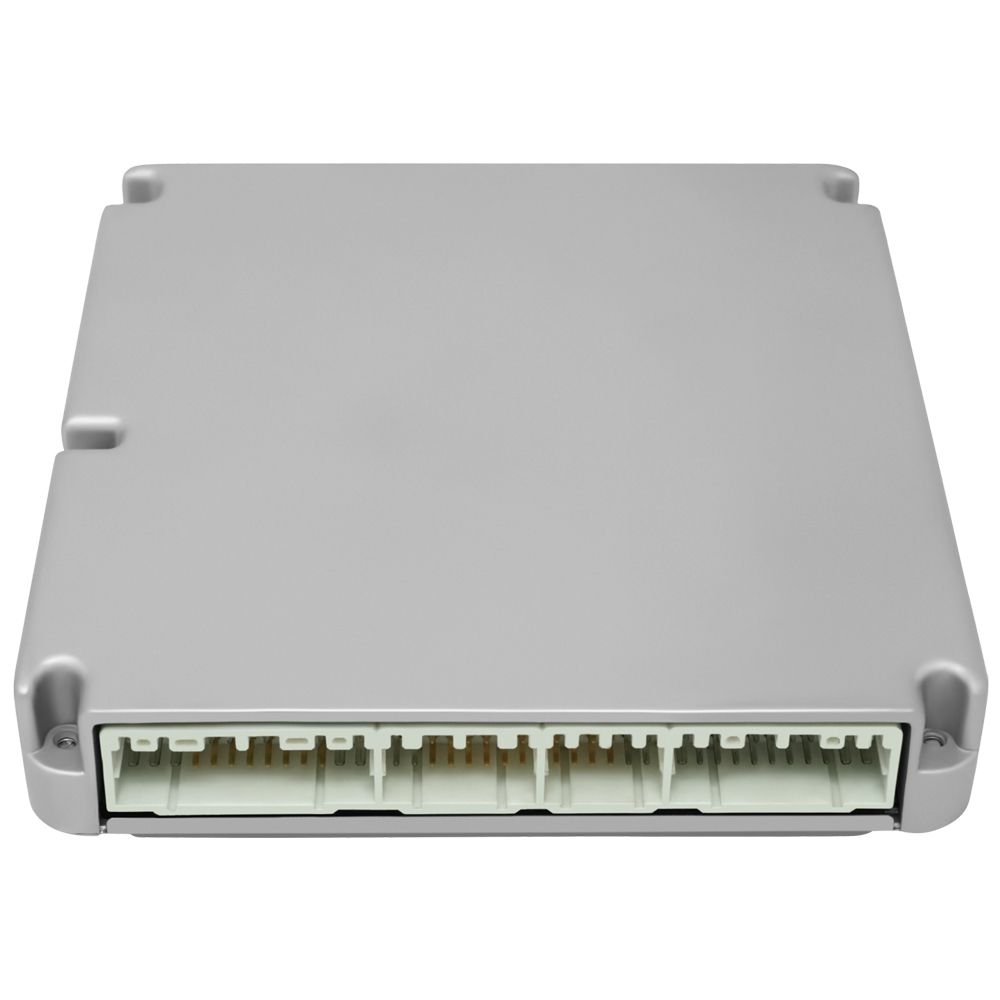
Flagship One stocks a refurbished, VIN-programmed PCM for the 1996 Mazda MPV with a lifetime warranty, free shipping and no core charge. The full Mazda MPV module lineup covers other engine configurations as well.
The Powertrain Control Module plays a vital role in the performance and drivability of your 1996 Mazda MPV. Whether you’re dealing with stalling, hesitation, or warning lights, understanding the PCM’s function and replacement process can help you address issues efficiently. With proper care and timely repairs, your MPV can continue to deliver reliable service for years to come. If you suspect PCM failure, consider a pre-programmed replacement to simplify the process and get back on the road sooner.