
Last updated on August 25th, 2026 at 12:16 pm
In the 1996 Chrysler LHS, the Powertrain Control Module (PCM) and Engine Control Module (ECM) act as the vehicle’s electronic brains, managing fuel delivery, ignition timing, and transmission shifting. A failure in either unit can cause loss of power, stalling, or illumination of the check‑engine light, because the engine can no longer receive calibrated commands from the computer.
When a 1996 Chrysler LHS experiences persistent check‑engine illumination or erratic performance, the root cause often lies in the powertrain or engine control modules. Understanding how these computers function, where they sit, and what steps are required after removal can save you time and money. This guide walks you through the location of the PCM and ECM, the labor involved in swapping them, the factory‑required relearn processes, and how a Flagship One replacement can streamline the job. By the end, you’ll know what to expect during service and how to keep the new module operating reliably.
The Powertrain Control Module in a 1996 Chrysler LHS oversees fuel injection, ignition timing, and transmission shift strategy, while the Engine Control Module focuses on engine‑specific parameters such as idle control and emissions monitoring. Both computers exchange data with sensors and actuators to keep the powertrain running smoothly; any disruption can trigger drivability problems or emission‑related failures. Because the vehicle relies on precise timing and calibrated maps, maintaining accurate module programming is essential for performance and compliance. The 1996 Chrysler LHS replacement PCM and ECM are interchangeable only when they match the factory specifications and are properly calibrated, ensuring the vehicle’s control strategy remains intact.
1996 Chrysler LHS Powertrain and
OEM programmed replacements — plug & play, no dealer visit.
Find yours by year, make & model →
Free shipping · Lifetime warranty
The factory removal procedure indicates that the control module sits adjacent to the air cleaner assembly, making it reachable without extensive disassembly. To replace the unit, a technician typically spends about 0.5 hours on the PCM and the same on the ECM, according to the labor guide. The process involves disconnecting the electrical connectors, removing mounting bolts, and sliding the module out of its bracket. Installation reverses these steps, with careful attention to connector alignment and bolt torque if specified by the manufacturer. Because the module is positioned near the intake, keeping the area clean helps prevent debris from entering the new unit during installation.
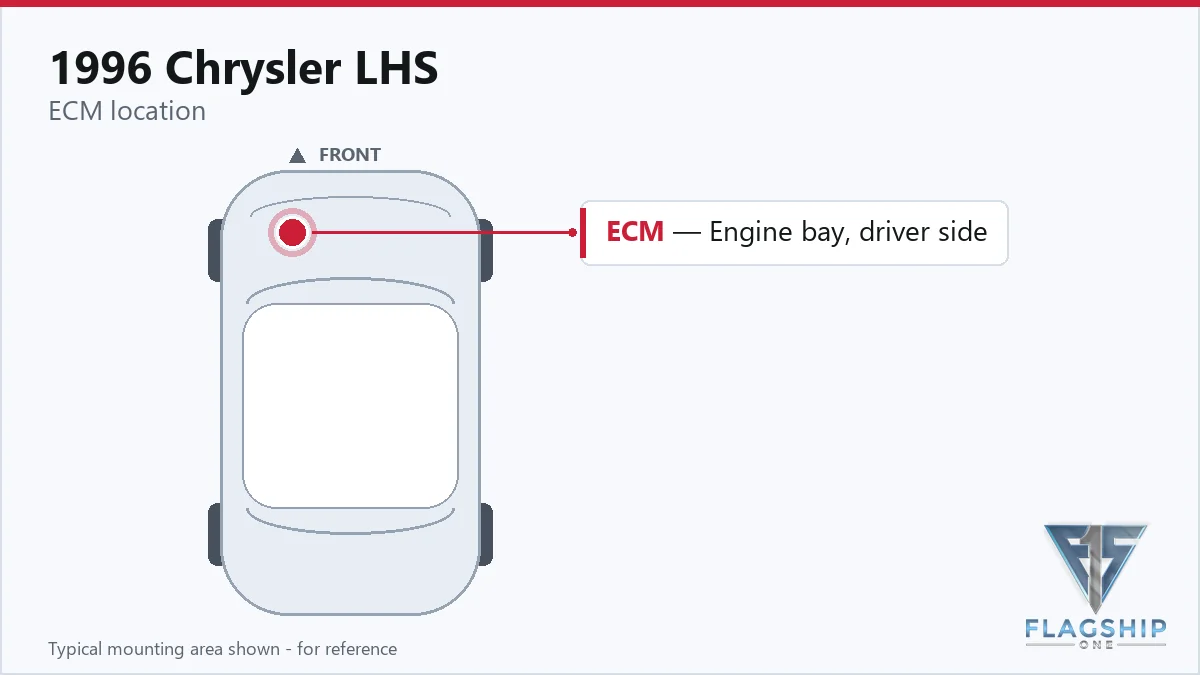
Work with the ignition off, and treat the module as static-sensitive: avoid touching the connector pins at any point.
| Operation | Configuration | Book Time |
|---|---|---|
| Powertrain Control Module Relearn | All configurations | 0.5 hr |
| Powertrain Control Module R&R | All configurations | 0.5 hr |
| Engine Control Module Relearn | All configurations | 0.5 hr |
| Engine Control Module Reset | All configurations | 0.3 hr |
| Engine Control Module R&R | All configurations | 0.5 hr |
After installing a new PCM or ECM in a 1996 Chrysler LHS, the factory procedure calls for a relearn of the powertrain control module and a separate relearn of the engine control module, each taking roughly half an hour of labor. Flagship One units arrive already VIN‑programmed, so the a VIN‑programmed replacement unit eliminates the need for those post‑install relearn steps, allowing you to complete the job without additional programming time.
Typical signs of a failing PCM or ECM in a 1996 Chrysler LHS include a persistent check‑engine light, engine hesitation, rough idle, or unexpected transmission shifts. You may also notice a loss of power during acceleration or the vehicle refusing to start. Diagnostic scans often reveal communication failures or specific fault codes such as timing error, indicating internal clock issues that prevent the module from synchronizing with the engine’s control strategy. Addressing these symptoms promptly can avoid further damage to related sensors or the drivetrain.
| Bulletin | Subject | What It Addresses |
|---|---|---|
| — | Rc-678-96 California Emissions Recall #678 — Reprogram Powertrain Control Module | — |
| 18-35-96 | 18-35-96 Erroneous MIL Illumination With Hex Code $58, Elimination Of PCM Reset | — |
| 18-037-05 | 18-037-05 Flash Programming Failure Recovery Using DRBIII® | — |
The labor guide estimates about half an hour for the Powertrain Control Module replacement, covering removal, installation, and connector work.
Factory procedures call for a relearn sequence, but a Flagship One VIN‑programmed unit performs the reset automatically, eliminating the need for additional tools.
Yes, because the PCM controls shift timing, a malfunction can result in harsh or delayed shifts, often accompanied by related diagnostic codes.
The PCM is located next to the air cleaner, so removing or moving the assembly provides the clearance needed for module removal.
It mandates a reprogramming of the Powertrain Control Module to address a California emissions recall.
When the PCM or ECM in your 1996 Chrysler LHS needs service, you can choose a repair that follows the factory relearn steps or opt for a Flagship One refurbished replacement that arrives VIN‑programmed. Both approaches restore proper engine management, but the pre‑programmed unit can reduce shop time and eliminate the need for post‑install calibration.
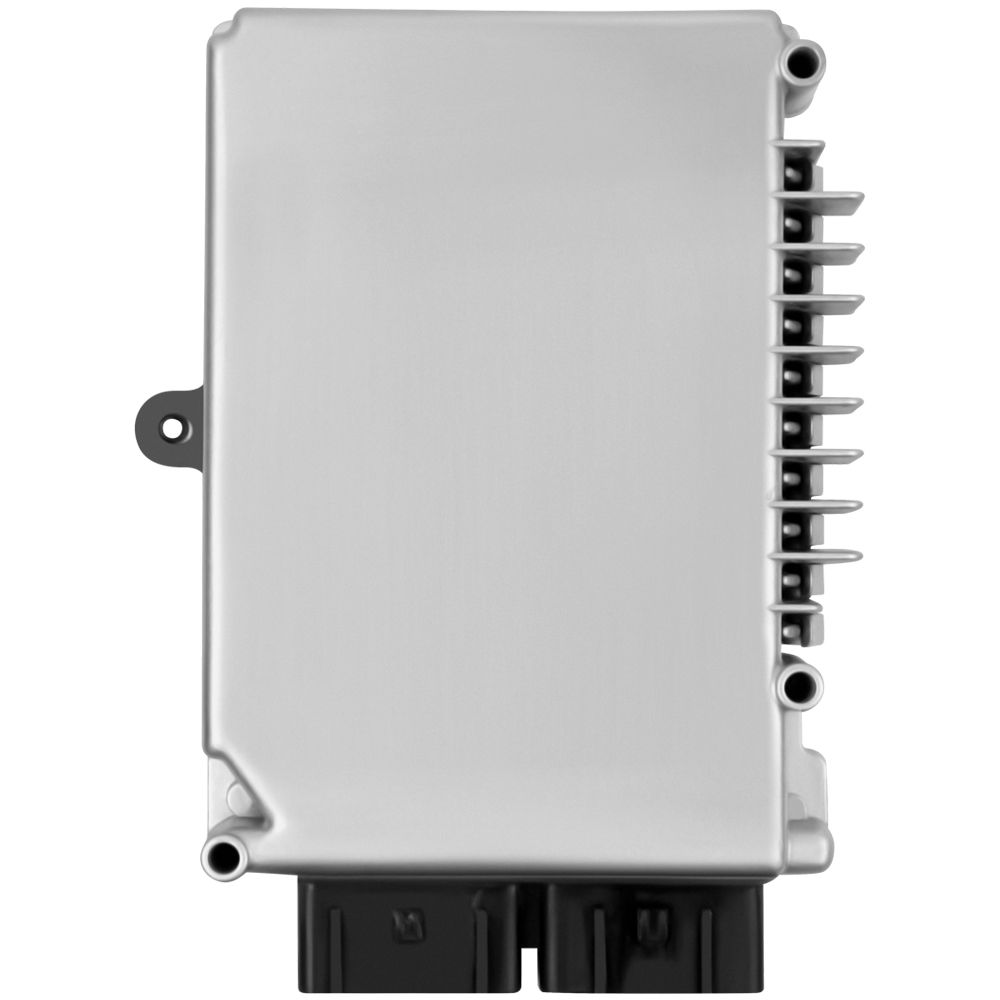
Flagship One stocks a refurbished, VIN-programmed PCM for the 1996 Chrysler LHS with a lifetime warranty, free shipping and no core charge. The full Chrysler LHS module lineup covers other engine configurations as well.
Addressing PCM or ECM issues in your 1996 Chrysler LHS promptly helps maintain performance and emissions compliance. Consider a Flagship One VIN‑programmed replacement to simplify the process and get back on the road with confidence.