
Last updated on August 25th, 2026 at 02:30 pm
The Powertrain Control Module (PCM) in your 1996 Chevrolet Cavalier manages engine and transmission functions by processing sensor data. Failure may cause drivability issues, warning lights, or communication errors with diagnostic tools.
If your 1996 Chevrolet Cavalier is experiencing erratic engine behavior, stalling, or transmission shifting issues, the Powertrain Control Module (PCM) may be at fault. This critical component oversees engine performance and transmission functions, and its failure can lead to a range of drivability problems. Understanding the role of the PCM, how to replace it safely, and what symptoms to watch for can help you address issues efficiently. This guide covers what the PCM does, where it’s located, and how to protect it from damage.
The PCM in your 1996 Chevrolet Cavalier acts as the brain of the engine and transmission systems. It processes data from sensors to regulate fuel delivery, ignition timing, and shifting patterns. A malfunctioning PCM may cause poor performance, warning lights, or even prevent the vehicle from starting. Since this module is sensitive to electrical interference, proper handling is essential. If replacement becomes necessary, you’ll want to consider replacement engine computers for the Cavalier to ensure compatibility and reliability. The factory specifies strict procedures to avoid damaging the new unit during installation.
1996 Chevrolet Cavalier
OEM programmed ECM for your 1996 Chevrolet Cavalier — plug & play, no dealer visit.
Free shipping · Lifetime warranty
The PCM in your 1996 Chevrolet Cavalier is typically mounted in the engine compartment, though its exact location may vary slightly depending on the engine configuration. Replacing the module involves disconnecting the battery, removing the electrical connector, and unbolting the unit. The labor time for this procedure is listed as 1.3 hours. Always ensure the ignition is off before disconnecting the PCM to prevent internal damage. No special tools are required beyond basic hand tools, but care must be taken to avoid touching the connector pins or circuit board components.
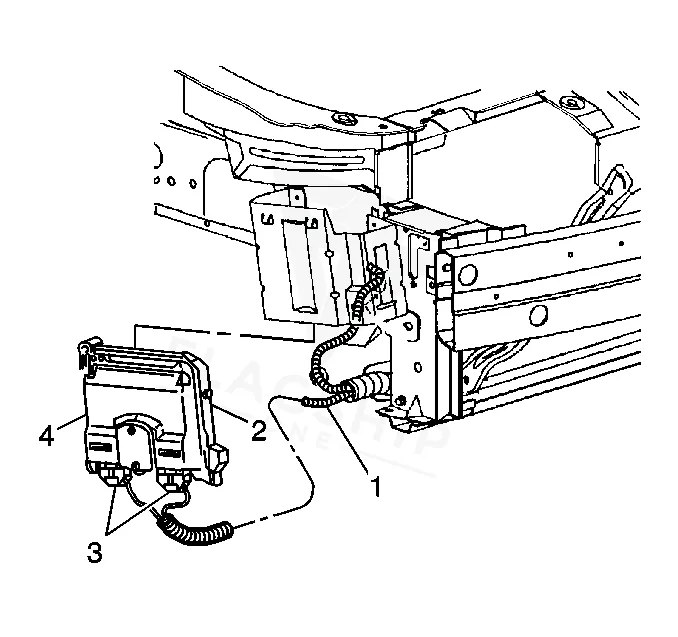
Work with the ignition off, and treat the module as static-sensitive: avoid touching the connector pins at any point.
| Operation | Configuration | Book Time |
|---|---|---|
| Powertrain Control Module R&R | All configurations | 1.3 hr |
| Engine Control Module R&R | 2.2L | 1.3 hr |
| Engine Control Module R&R | 2.4L | 1.3 hr |
After installing a new PCM in your 1996 Chevrolet Cavalier, the factory requires reprogramming to match the vehicle’s VIN and calibration settings. This step ensures proper communication with the engine and transmission systems. However, a VIN-programmed replacement unit from Flagship One arrives ready to install, eliminating the need for additional programming. This saves time and reduces the risk of errors during the setup process. Always follow the manufacturer’s guidelines for handling and installation to avoid damaging the module.
A failing PCM in your 1996 Chevrolet Cavalier may cause a variety of symptoms, including stalling, rough idle, or difficulty starting. You might also notice transmission shifting issues, such as delayed or harsh shifts. In some cases, the vehicle may set a module memory fault or other related trouble codes. Warning lights, such as the Service Engine Soon (SES) light, may illuminate, and diagnostic tools may fail to communicate with the PCM. These symptoms often worsen over time, so addressing them promptly can prevent further drivability problems.
The PCM in your 1996 Chevrolet Cavalier may generate specific trouble codes when internal faults occur. These codes help diagnose issues and guide repairs.
| Code | Meaning | Full Guide |
|---|---|---|
| P0601 | Internal memory checksum error | Full P0601 guide → |
Factory service bulletins for the 1996 Chevrolet Cavalier address several PCM-related concerns. Bulletin #99-06-04-053 covers PCM reprogramming procedures. Another bulletin, #03-07-30-021 (updated as #03-07-30-021A), describes issues like neutral flare, RPM flare in drive, or a lack of 1-2 upshift, often accompanied by trouble codes P1810 or P1815. Bulletin #98078 outlines steps to inspect, clean, or replace the PCM and install a protective shield if moisture or corrosion is detected.
| Bulletin | Subject | What It Addresses |
|---|---|---|
| 99-06-04-053 | Info – PCM Reprogramming – (Oct 26, 1999) | — |
| 03-07-30-021 | Neutral Flare and/or RPM Flare While In Drive, No 1-2 Upshift, Service Engine Soon (SES) Light | Some customers may comment on a neutral flare and/or RPM increase while in drive or no 1–2 upshift and/or the Service Engine Soon (SES) telltale may be… |
| — | CHECK ENGINE Light ON, Engine Runs Rough (Inspect, Clean/Replace and Seal PCM, and Install Prot | — |
Stalling or hesitation in your Cavalier may be caused by a failing PCM, which disrupts fuel delivery or ignition timing. Other potential causes include sensor failures or transmission issues. A diagnostic scan can help identify the root problem.
Replacing the PCM is a straightforward process, but it requires careful handling to avoid electrostatic discharge. If you’re comfortable with basic automotive repairs, you can perform the replacement in about 1.3 hours. However, ensure the new unit is programmed to your vehicle’s VIN.
If the Service Engine Soon light illuminates, use a diagnostic tool to retrieve trouble codes. These codes will help identify whether the issue is related to the PCM or another component. Addressing the problem early can prevent further damage.
If your 1996 Chevrolet Cavalier is experiencing PCM-related issues, you have options for repair or replacement. While reprogramming the existing module may resolve some problems, a new or refurbished unit can provide long-term reliability. Flagship One offers VIN-programmed replacements designed to fit your Cavalier seamlessly, eliminating the need for additional programming steps.
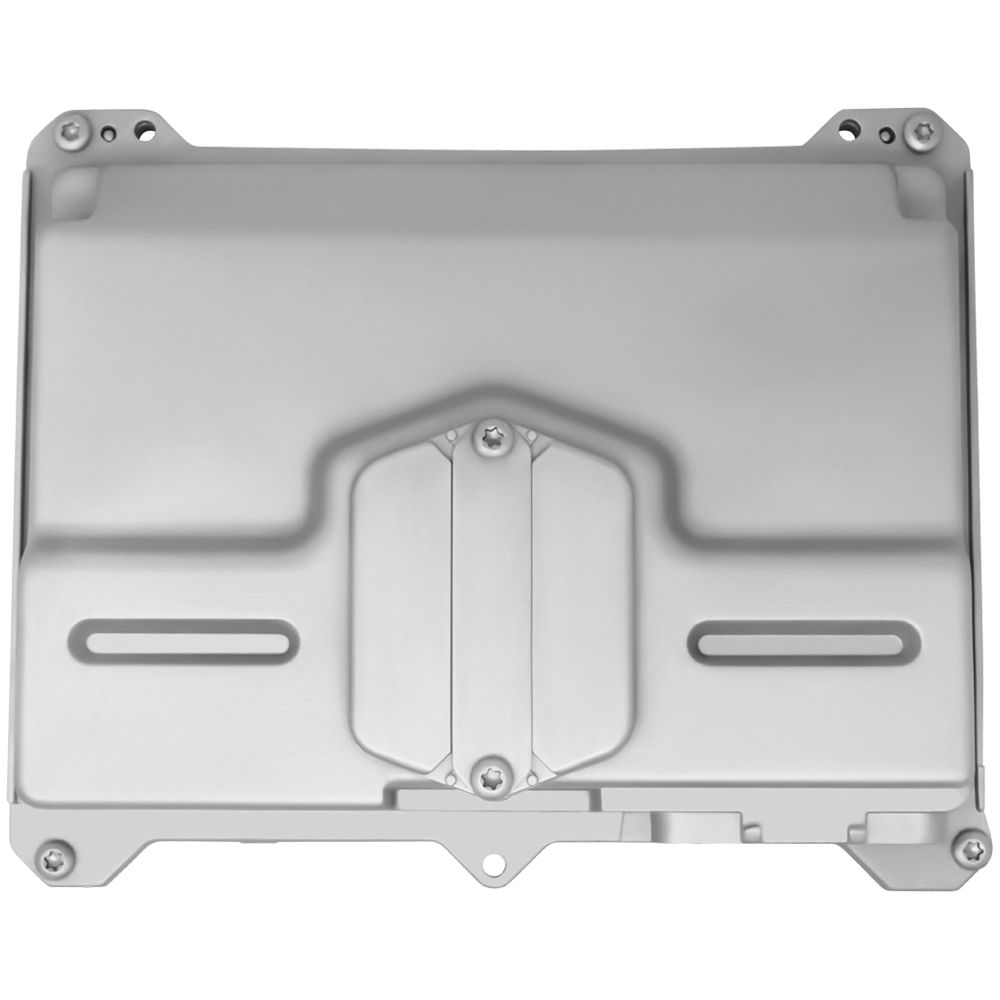
Flagship One stocks a refurbished, VIN-programmed PCM for the 1996 Chevrolet Cavalier with a lifetime warranty, free shipping and no core charge. The full Chevrolet Cavalier module lineup covers other engine configurations as well.
The PCM in your 1996 Chevrolet Cavalier plays a critical role in engine and transmission performance. Recognizing symptoms early and following proper replacement procedures can help maintain your vehicle’s reliability. Whether you choose to repair or replace the module, addressing issues promptly ensures smooth operation and prevents further complications.