
Last updated on August 25th, 2026 at 12:51 pm
The Engine Control Module (ECM) in your 1995 Dodge Avenger manages fuel delivery, ignition timing, and idle control. Failures may stem from voltage spikes, corrosion, or internal component wear, often leading to starting issues or erratic engine behavior.
If your 1995 Dodge Avenger struggles to start, stalls unexpectedly, or runs poorly, the Engine Control Module (ECM) may be at fault. This small but critical computer governs fuel injection, ignition timing, and other engine functions. Replacing it involves removing the old unit, installing a new one, and performing a relearn procedure to ensure proper operation. Understanding the process helps you avoid unnecessary delays and ensures your vehicle runs reliably. This guide covers what the ECM does, where it’s located, and what to expect during replacement and programming.
The ECM in your 1995 Dodge Avenger acts as the brain of the engine, processing inputs from sensors to optimize fuel delivery and ignition timing. Without it, the engine may run poorly or fail to start. Over time, voltage fluctuations or moisture intrusion can damage the module, leading to performance issues. When replacement becomes necessary, replacement engine computers for the Avenger are designed to restore factory-level operation. The module’s role is especially critical in pre-OBD-II vehicles, where diagnostics rely on manual troubleshooting rather than standardized codes.
1995 Dodge Avenger
OEM programmed ECM for your 1995 Dodge Avenger — plug & play, no dealer visit.
Free shipping · Lifetime warranty
The ECM in the 1995 Dodge Avenger is typically mounted near the firewall on the passenger side of the engine bay. Accessing it requires removing the protective cover and disconnecting the wiring harness. Replacement involves unbolting the old module and securing the new one in its place. Labor time for removal and reinstallation is usually 0.6 to 0.7 hours, depending on the technician’s familiarity with the vehicle. No specialized tools are required beyond basic hand tools, but care must be taken to avoid damaging the connectors during disassembly.
| Operation | Configuration | Book Time |
|---|---|---|
| Engine Control Module Relearn | All configurations | 0.5 hr |
| Engine Control Module R&R | All configurations | 0.7 hr |
| Powertrain Control Module Relearn | All configurations | 0.5 hr |
| Powertrain Control Module R&R | All configurations | 0.6 hr |
After installing a new ECM in your 1995 Dodge Avenger, a relearn procedure is required to synchronize the module with the engine’s sensors. This process typically takes 0.5 hours and ensures proper fuel delivery and ignition timing. However, a VIN-programmed replacement unit from Flagship One arrives pre-configured, eliminating the need for additional programming. This saves time and reduces the risk of errors during the relearn process, allowing your vehicle to return to normal operation more quickly.
A failing ECM in the 1995 Dodge Avenger may cause a range of symptoms, including intermittent stalling, hard starting, or a complete no-crank condition. You might also notice poor fuel economy or rough idle as the module struggles to regulate engine functions. In some cases, the vehicle may enter a limp-home mode, limiting performance. If the ECM loses communication with the scan tool, it could indicate internal failure. While generic symptoms apply, this vehicle’s pre-OBD-II system may not trigger specific trouble codes, making diagnosis more reliant on observed behavior.
Chrysler issued a service bulletin (#18-037-05) addressing flash programming failures during ECM updates on certain vehicles, including the 1995 Dodge Avenger. The bulletin outlines recovery procedures using the DRBIII scan tool to restore module functionality if programming is interrupted. This highlights the importance of following factory protocols when servicing the ECM to avoid complications.
| Bulletin | Subject | What It Addresses |
|---|---|---|
| 18-037-05 | 18-037-05 Flash Programming Failure Recovery Using DRBIII® | — |
The relearn procedure ensures the new ECM synchronizes with the engine’s sensors and fuel system. Without it, the vehicle may run poorly or fail to start. The process typically takes 0.5 hours and is necessary to restore proper engine operation.
Replacement is straightforward if you’re comfortable with basic automotive repairs. The ECM is accessible in the engine bay, and installation involves unbolting the old unit and connecting the new one. However, a relearn procedure is still required afterward.
In this vehicle, the ECM (Engine Control Module) manages engine functions, while the PCM (Powertrain Control Module) is not used. The terms are sometimes used interchangeably, but the Avenger’s system relies solely on the ECM for engine control.
If your 1995 Dodge Avenger’s ECM has failed, you have options for replacement. A new or refurbished unit can restore reliable operation, but programming is essential. Flagship One provides VIN-programmed modules that eliminate the need for post-installation relearn procedures, saving time and reducing hassle. This ensures your vehicle returns to the road with minimal downtime.
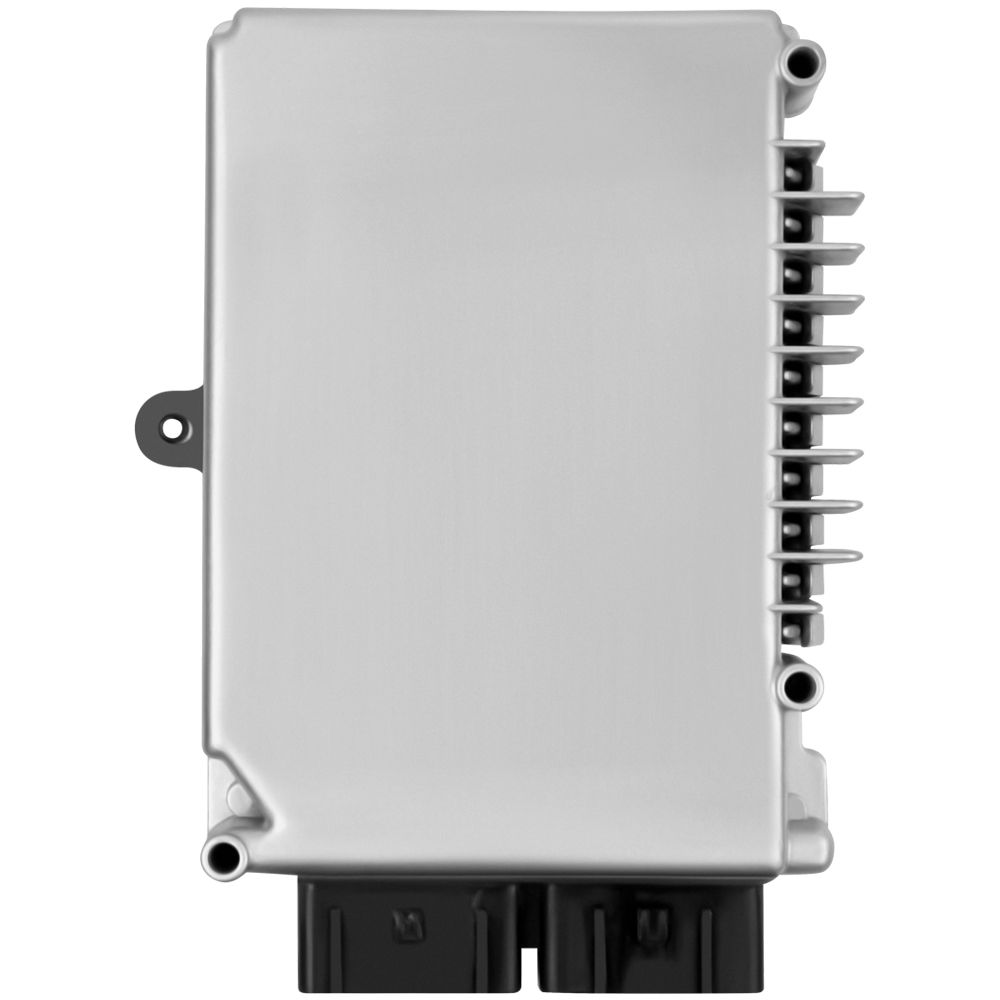
Flagship One stocks a refurbished, VIN-programmed PCM for the 1995 Dodge Avenger with a lifetime warranty, free shipping and no core charge. The full Dodge Avenger module lineup covers other engine configurations as well.
The ECM in your 1995 Dodge Avenger plays a vital role in engine performance. If you’re experiencing starting issues or poor drivability, a replacement may be necessary. With the right unit and proper installation, your vehicle can regain its reliability. Consider a VIN-programmed module to simplify the process and get back on the road sooner.