
Last updated on August 25th, 2026 at 02:14 pm
The Engine Control Module (ECM) in your 1994 Isuzu Rodeo is the primary computer that manages fuel delivery, ignition timing, and emissions systems. When this module fails, the engine may not run properly or may not start at all.
If your 1994 Isuzu Rodeo has developed starting or running problems, the Engine Control Module may be the culprit. The ECM serves as the brain of your vehicle’s engine management system, processing sensor inputs and controlling outputs to keep the 2.6L engine running smoothly. This module can fail due to age, heat cycles, voltage spikes from jump starts, or underlying electrical issues elsewhere in the vehicle. When the ECM malfunctions, you may experience anything from intermittent rough idle to a complete no-start condition. This guide explains what the ECM does in your specific vehicle, where it is located, common failure symptoms, and what the replacement process involves. Whether you are diagnosing a current problem or planning ahead, understanding the role of this critical component will help you make informed decisions about repair options for your Rodeo.
The Engine Control Module in your 1994 Isuzu Rodeo is the central computer responsible for managing the engine’s operational parameters. This unit receives input from various sensors throughout the engine bay—including the coolant temperature sensor, throttle position sensor, and oxygen sensor—and uses that information to calculate the optimal fuel delivery and ignition timing for current driving conditions. For the 2.6L four-cylinder engine in this vehicle, the ECM controls the fuel injectors, idle air control, and emission control devices to maintain proper air-fuel ratios and meet emissions standards. Without a functioning ECM, the engine cannot adjust to changing conditions, which explains why failure often results in poor drivability or no-start scenarios. The module also stores diagnostic information that can be retrieved with a scan tool, though this vehicle uses pre-OBD-II diagnostics rather than the later OBD-II standard. Given that the ECM sits in the passenger compartment near the center console, it is somewhat protected from underhood heat but remains subject to thermal cycling and vibration over time. Replacement engine computers for the Isuzu Rodeo are available from specialty suppliers who can program the unit with your specific vehicle identification number before shipping, ensuring plug-and-play compatibility upon installation.
Flagship One keeps Isuzu Rodeo replacement engine computers in stock for exactly this failure pattern.
1994 Isuzu Rodeo
OEM programmed ECM for your 1994 Isuzu Rodeo — plug & play, no dealer visit.
Free shipping · Lifetime warranty
The ECM in a 1994 Isuzu Rodeo is typically located in the passenger compartment, positioned in front of the center console and beneath the dashboard on the driver’s side. This location places the module within reach for replacement but requires careful disassembly of interior trim pieces to gain access. The replacement process involves removing any screws or clips securing the lower dashboard panel, carefully pulling the panel away from the mounting location, disconnecting the electrical harness from the old ECM, and then reversing the procedure with the new unit. You will need to ensure the replacement module is compatible with the 2.6L engine and is pre-programmed with your vehicle’s VIN to allow proper communication with the engine sensors and other control modules. After the new ECM is installed and secured, the vehicle may need to undergo a relearn procedure so the ECM can adapt to your specific engine’s characteristics. Always consult a service manual for your Rodeo for detailed removal and installation procedures, including any specific torque specifications for retaining fasteners.
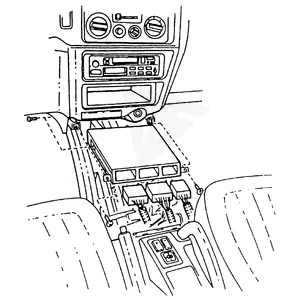
Work with the ignition off, and treat the module as static-sensitive: avoid touching the connector pins at any point.
After replacing the ECM in your 1994 Isuzu Rodeo, the factory service procedure requires that the new module be programmed with the vehicle identification number and calibrated to your specific engine application. This programming step is essential because an unprogrammed ECM will not communicate properly with the vehicle’s sensors and may cause the engine to run poorly or not start at all. The process typically involves connecting a diagnostic scan tool to the vehicle’s diagnostic connector and using manufacturer software to enter the VIN and any necessary calibration data. However, when you purchase a VIN-programmed replacement unit from Flagship One, this programming step is completed before the module ships to you. This means you can install the pre-programmed ECM and, in most cases, simply start the engine without needing to perform additional programming procedures. The unit arrives ready to communicate with your 1994 Rodeo’s systems, significantly reducing the time and specialized equipment required for the repair. You should still verify proper operation after installation and address any remaining diagnostic trouble codes that may have been stored in the system.
Every VIN-programmed replacement unit from Flagship One arrives with these steps already completed.
When the ECM in your 1994 Isuzu Rodeo begins to fail, the symptoms can vary widely depending on the exact nature of the malfunction. A common presentation is a no-start condition where the engine cranks normally but receives no fuel or spark because the ECM is not sending the appropriate signals to the fuel injectors and ignition system. Other drivers report intermittent stalling, where the engine suddenly dies while driving and may restart after a brief period, suggesting an electrical issue within the module that worsens with heat or vibration. Misfire codes may appear in the diagnostic system, indicating that one or more cylinders are not firing properly due to incorrect fuel delivery or ignition timing calculations by the faulty ECM. In some cases, the scan tool may not communicate with the vehicle at all, which can indicate an internal failure within the ECM that prevents it from responding to diagnostic requests. Shifting issues may also occur if the ECM has any control over the transmission, though this varies by model configuration. Any sudden onset of multiple electrical symptoms affecting engine operation, particularly in a vehicle with high mileage, should prompt consideration of ECM failure as a potential cause. Addressing these symptoms promptly can prevent being stranded and may protect other components from damage due to improper engine operation.
A used ECM from a salvage vehicle may work, but it will likely require VIN programming to match your specific vehicle. Additionally, used units carry unknown history and may fail soon after installation. Professional replacement units typically come with a warranty and are tested before shipping.
The engine will not run properly without a functioning ECM. This module is essential for controlling fuel delivery and ignition timing. Attempting to run the engine without proper ECM function will result in severe misfire or no-start conditions.
Diagnostic testing is the most reliable method. A scan tool can communicate with the ECM to check for fault codes and verify proper operation. If the tool cannot establish communication or if codes point to internal ECM failures, the module itself is likely the culprit. However, always rule out wiring issues and sensor problems first.
Yes, the ECM is located in the passenger compartment partly to escape direct underhood heat, but over time thermal cycling from general operation can still degrade internal components. Vehicles that operate in consistently hot climates or have poor ventilation may experience accelerated ECM wear.
With a VIN-programmed replacement unit, no manual reset is typically required. The module will automatically begin communicating with your vehicle’s systems once installed and the ignition is turned on. However, you may want to clear any stored diagnostic codes using a scan tool after installation to ensure a clean slate.
When your 1994 Isuzu Rodeo requires ECM replacement, you have two primary options: a new aftermarket unit or a refurbished replacement. New aftermarket ECMs offer fresh components but often require programming after installation. Refurbished units from reputable suppliers like Flagship One arrive pre-programmed with your VIN, saving you the step of visiting a dealer or locksmith for programming services. For this specific vehicle with its 2.6L engine, ensuring the replacement module matches the correct application is critical for proper operation. Consider your budget, technical capabilities, and long-term reliability goals when choosing between these options.
Flagship One stocks a refurbished, VIN-programmed ECM for the 1994 Isuzu Rodeo with a lifetime warranty, free shipping and no core charge. The full Isuzu Rodeo module lineup covers other engine configurations as well.
The Engine Control Module is a vital component in your 1994 Isuzu Rodeo, managing critical engine functions that affect drivability, fuel efficiency, and reliability. When this module fails, prompt replacement with a properly programmed unit restores your vehicle’s operation. Whether you tackle the installation yourself or rely on a professional, understanding the role of the ECM helps you make informed decisions about maintaining your Rodeo for years to come.