
Last updated on August 25th, 2026 at 02:19 pm
The Powertrain Control Module in your 1994 Chrysler LHS manages fuel delivery, ignition timing, and transmission operation on this pre-OBD-II vehicle. Internal electronic degradation over time may cause drivability issues including hard starts and stalling.
The 1994 Chrysler LHS equipped with the 3.5L engine relies on a Powertrain Control Module to manage critical vehicle functions. When this module fails or requires replacement, understanding the proper procedure protects you from unnecessary repair costs and downtime. This guide explains what the PCM does, common failure symptoms, replacement labor considerations, and programming requirements specific to this Chrysler model. You will learn what to expect during diagnosis and repair, whether you handle the work yourself or rely on a professional shop. Knowing these details helps you make informed decisions about servicing your vehicle.
The Powertrain Control Module serves as the central computer for your 1994 Chrysler LHS, overseeing fuel injector pulsing, spark timing, and automatic transmission shifting behavior. This pre-OBD-II system relies on the PCM to maintain engine performance without the standardized diagnostic trouble codes used in later vehicles. When the module degrades internally, your vehicle may develop drivability complaints that seem mechanical in nature but originate from electronic malfunction. The PCM receives input from various sensors throughout the engine compartment and adjusts output accordingly to maintain smooth operation. Because this component directly affects how your vehicle starts, idles, and shifts gears, its reliable function is essential for daily usability. Replacement engine computers for the Chrysler LHS must be programmed correctly to communicate with your specific vehicle systems engine computers for the Chrysler LHS before proper operation can resume.
1994 Chrysler LHS
OEM programmed ECM for your 1994 Chrysler LHS — plug & play, no dealer visit.
Free shipping · Lifetime warranty
The Powertrain Control Module on your 1994 Chrysler LHS is accessible for service with standard hand tools. Book time for removal and installation of the PCM is estimated at 0.5 hours, covering the physical replacement process. The procedure involves disconnecting the battery, removing the existing module from its mounting location, transferring any necessary hardware, and installing the replacement unit. After installation, electrical connections must be verified secure before reconnecting battery power. This labor allocation reflects typical shop time for the physical exchange process when experienced technicians perform the work.
Work with the ignition off, and treat the module as static-sensitive: avoid touching the connector pins at any point.
| Operation | Configuration | Book Time |
|---|---|---|
| Powertrain Control Module Relearn | All configurations | 0.5 hr |
| Powertrain Control Module R&R | All configurations | 0.5 hr |
| Engine Control Module Relearn | All configurations | 0.5 hr |
| Engine Control Module Reset | All configurations | 0.3 hr |
| Engine Control Module R&R | All configurations | 0.5 hr |
Following PCM replacement, your 1994 Chrysler LHS requires a relearn procedure to synchronize the new module with your vehicle. Factory service information specifies that a relearn process typically takes 0.5 hours using appropriate diagnostic equipment. This procedure allows the module to calibrate itself to your specific engine and transmission characteristics. If a non-pre-programmed replacement unit is installed, additional programming with a DRBIII scan tool may be necessary to complete the process. Units from Flagship One arrive configured with your vehicle identification number already entered, which means the initial programming steps are completed before the module reaches you. This pre-configuration typically reduces post-installation procedures compared to blank replacement units that require full programming on the bench or at the vehicle. The VIN-programmed replacement unit arrives ready for installation with basic verification procedures.
Common indicators of PCM problems on your 1994 Chrysler LHS include difficulty starting the engine or a no-start condition that occurs without warning. The engine may stall unexpectedly during idle or deceleration, and the idle speed might run inconsistently. Transmission shifting may feel harsh, delayed, or irregular as the module can no longer properly control shift timing. A dead or unresponsive scan tool connection at the data port often suggests communication failure within the control module itself. Check engine illumination may occur despite no obvious mechanical issues. These symptoms typically develop gradually as internal electronics weaken from heat exposure and thermal cycling over years of service.
Factory service bulletins document known issues for this model year. Bulletin 08-02-95 addresses a no-start condition or incorrect theft alarm operation that may occur when control modules have been swapped between vehicles, emphasizing the importance of using the correct replacement part. Bulletin 18-037-05 provides guidance for recovering from flash programming failures using the DRBIII diagnostic tool, which may be necessary when updating or replacing the module. Bulletin 24-07-94 covers automatic temperature control calibration adjustments. These bulletins help technicians identify conditions that may otherwise require extensive diagnosis.
| Bulletin | Subject | What It Addresses |
|---|---|---|
| 08-02-95 | 08-02-95 NO Start or Improper Theft Alarm Actuation Due to PCM/BCM Swapping | — |
| 18-037-05 | 18-037-05 Flash Programming Failure Recovery Using DRBIII® | — |
| 24-07-94 | 24-07-94 ATC Calibration | — |
Diagnosis typically requires professional equipment to verify module operation. Symptoms like intermittent starting, stalling, poor idle, or no communication with scan tools often point toward PCM concerns after other systems are ruled out.
A used module may require programming to match your vehicle identification number, and its service history is unknown. Units from Flagship One arrive pre-programmed for your specific vehicle, reducing installation complexity.
Physical removal and installation is straightforward for those with mechanical experience, but post-installation relearn procedures may require a professional scan tool like the DRBIII to complete the repair properly.
When your 1994 Chrysler LHS requires Powertrain Control Module service, you face a choice between repair of the original unit or installation of a rebuilt replacement. A qualified technician can evaluate whether your specific situation favors one approach over the other. Flagship One offers replacement modules configured with your vehicle identification number, which may streamline the installation process compared to blank units requiring programming. Understanding your options helps you evaluate repair estimates and make confident decisions about your vehicle maintenance.
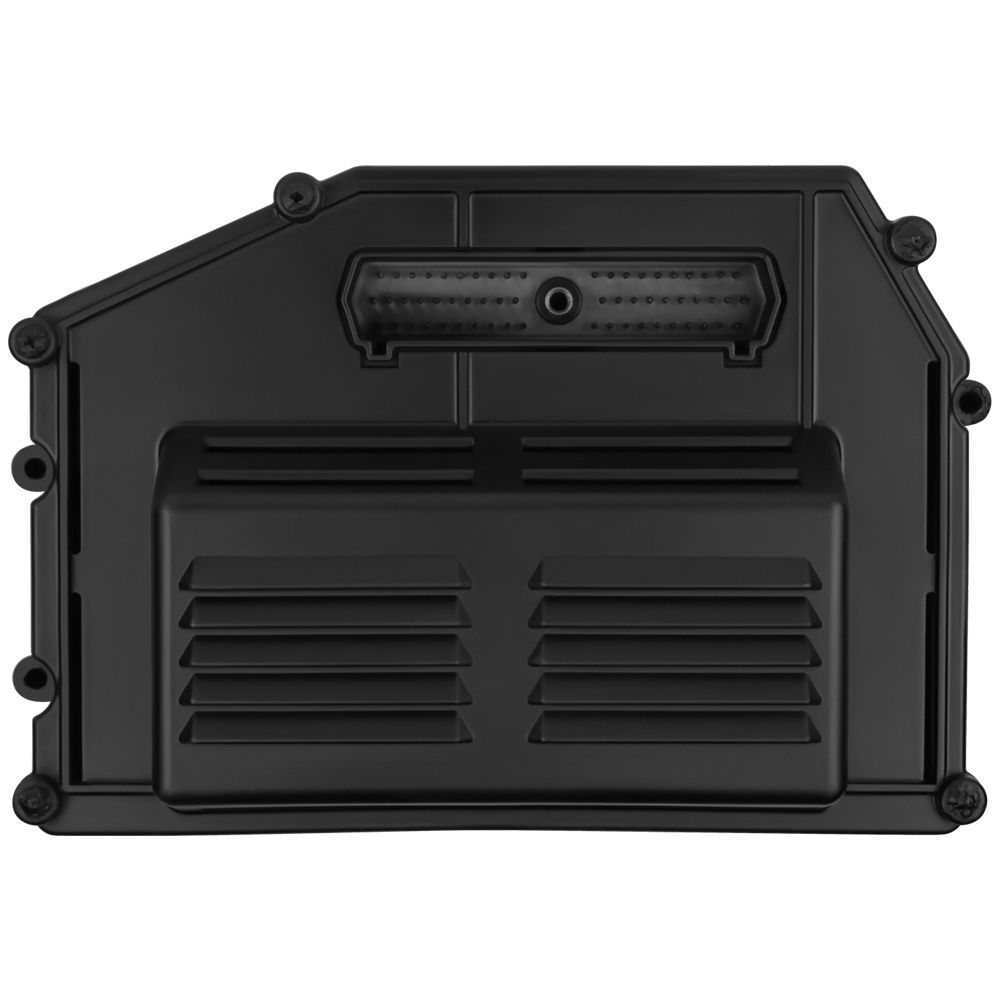
Flagship One stocks a refurbished, VIN-programmed PCM for the 1994 Chrysler LHS with a lifetime warranty, free shipping and no core charge. The full Chrysler LHS module lineup covers other engine configurations as well.
The 1994 Chrysler LHS relies on its Powertrain Control Module for dependable operation, and recognizing failure symptoms early protects you from unexpected breakdowns. Whether you pursue professional repair or select a replacement module, understanding the procedure and post-installation requirements helps you communicate effectively with service providers. Flagship One provides replacement engines computers for the Chrysler LHS that arrive ready for installation, supporting your repair with pre-programmed configuration for your specific vehicle.