
Last updated on August 25th, 2026 at 12:24 pm
In the 1993 Plymouth Acclaim, the Powertrain Control Module (PCM) and Engine Control Module (ECM) manage fuel delivery, ignition timing and transmission shift logic. Failure of either unit can lead to loss of engine power, stalling, or an inability to communicate with diagnostic tools, disrupting normal vehicle operation.
When a 1993 Plymouth Acclaim begins to exhibit no‑start conditions, rough idle, or unexpected shift behavior, the underlying issue often traces back to the vehicle’s control computers. The Powertrain Control Module and Engine Control Module serve as the brain for engine and transmission functions, translating sensor data into precise actions. Understanding how these modules operate, what symptoms signal a problem, and the steps required to replace or reprogram them can help you avoid unnecessary downtime. This guide walks you through the basics of the PCM/ECM, outlines the labor involved, and explains why Flagship One’s VIN‑programmed replacements simplify the post‑install process.
1993 Plymouth Acclaim
OEM programmed ECM for your 1993 Plymouth Acclaim — plug & play, no dealer visit.
Free shipping · Lifetime warranty
The Powertrain Control Module in the 1993 Plymouth Acclaim receives input from a network of sensors and commands the fuel injectors, ignition system and transmission solenoids. Its companion Engine Control Module focuses on engine‑specific parameters, ensuring the combustion process runs smoothly. Together they maintain emissions compliance, driveability and fuel efficiency. Because the vehicle predates OBD‑II, these modules rely on manufacturer‑specific communication protocols rather than standardized diagnostic codes. A malfunction can disrupt fuel timing, cause erratic shifting, or prevent the engine from starting. Proper operation is essential for reliable performance, and any replacement must match the original specifications. replacement powertrain and engine computers for the 1993 Plymouth Acclaim ensures the vehicle retains its intended behavior.
Both the PCM and ECM are mounted within the engine compartment, typically secured to the firewall or a bracket near the intake manifold. Access involves disconnecting the battery, removing the connector harnesses, and unbolting the mounting hardware. The factory book lists a labor time of 0.5 hours for each removal and reinstall step, reflecting the relatively straightforward access in this model. After the unit is secured, reconnect the wiring harnesses and restore power. No additional torque specifications are provided in the available data, so standard practice is to tighten bolts to a snug fit without over‑torquing.
| Operation | Configuration | Book Time |
|---|---|---|
| Engine Control Module Relearn | All configurations | 0.5 hr |
| Engine Control Module R&R | All configurations | 0.5 hr |
| Powertrain Control Module R&R | All configurations | 0.5 hr |
| Powertrain Control Module Relearn | All configurations | 0.5 hr |
Once a new PCM or ECM is installed in the 1993 Plymouth Acclaim, the factory procedure calls for a relearn operation that calibrates the module to the vehicle’s parameters. This step typically takes 0.5 hours of labor. Flagship One units arrive VIN‑programmed, meaning the necessary calibration data is already loaded, so the relearn can be completed quickly on the shop floor. a VIN‑programmed replacement unit eliminates the need for extended on‑vehicle programming sessions.
A failing PCM or ECM in a 1993 Plymouth Acclaim may present as an engine that cranks but does not start, intermittent stalling at idle, rough acceleration, or unexpected transmission shifts. Drivers might also notice a complete loss of power‑train communication when scanning with a diagnostic tool, which can make troubleshooting more difficult. In some cases, the vehicle may trigger a general fault light without a specific code, reflecting the older pre‑OBD‑II architecture.
Service bulletin Rc‑716‑97 addresses a California emissions recall that requires reprogramming the Powertrain Control Module. Bulletin #18‑037‑05 provides guidance for recovering from flash programming failures using the DRBIII® tool.
| Bulletin | Subject | What It Addresses |
|---|---|---|
| — | Rc-716-97 California Emissions Recall #716 — Reprogram Powertrain Control Module | Form (Form No. 81-016-1053) to each owner upon completion of the recall service, for owner use as proof during renewal of the vehicle registration. The PCM… |
| 18-037-05 | 18-037-05 Flash Programming Failure Recovery Using DRBIII® | — |
The factory labor guide estimates about half an hour to remove the PCM and another half hour to install the replacement, plus an additional half hour for the relearn procedure.
Factory specifications call for a relearn step after ECM installation. A Flagship One VIN‑programmed unit includes the necessary data, so only the standard relearn time is required.
Yes, because the PCM also controls shift timing, a malfunction can lead to harsh or delayed shifts, especially under load.
Bulletin Rc‑716‑97 documents a California emissions recall that requires reprogramming of the Powertrain Control Module.
Verify that the relearn procedure was completed and check all electrical connections for tightness and corrosion before further diagnosis.
When the PCM or ECM in a 1993 Plymouth Acclaim needs attention, you can choose a professional repair or a refurbished replacement. Both approaches require the same labor and relearn steps, but a Flagship One VIN‑programmed unit arrives ready for immediate installation, reducing shop time and potential errors.
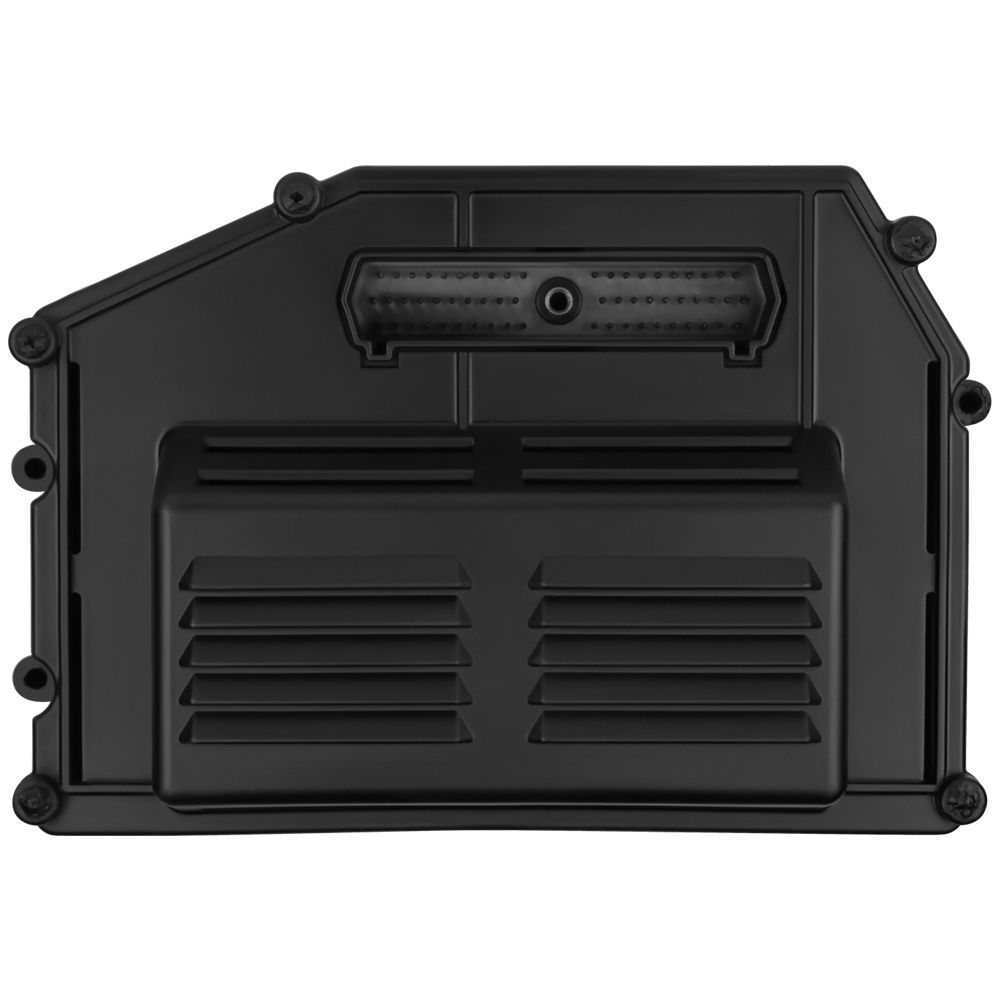
Flagship One stocks a refurbished, VIN-programmed PCM for the 1993 Plymouth Acclaim with a lifetime warranty, free shipping and no core charge. The full Plymouth Acclaim module lineup covers other engine configurations as well.
Understanding the role of the PCM and ECM in your 1993 Plymouth Acclaim helps you recognize symptoms early and choose the right repair path. Whether you opt for a new or refurbished unit, proper installation and relearn ensure the vehicle returns to reliable operation.