
In the 1993 Dodge RAM 350, the Powertrain Control Module governs fuel delivery, ignition timing, and sensor processing. When it fails, the engine may misfire, stall, or refuse to start.
Quick Summary
- The PCM sits under the left front fender near the battery.
- Replacing it requires a 60‑way connector removal and a 0.5‑hour relearn.
- Flagship One units come VIN‑programmed, skipping post‑install steps.
- A service bulletin warns of flash programming failures.
- Use a proper diagnostic scan tool to confirm errors.
You’ve likely seen the 1993 Dodge RAM 350’s rugged engine and left‑hand fender layout. When the vehicle stalls or shows irregular idling, a fault in the Powertrain Control Module is a common culprit. Understanding how the PCM functions, how to locate it, and how to replace it can save you time and money. This guide walks you through the process, explains what a relearn does, and highlights key safety steps so you can restore reliable performance to your truck.
What the PCM Does in a 1993 Dodge RAM 350
The PCM in the 1993 Dodge RAM 350 is the brain that coordinates fuel injection, ignition timing, and sensor data. It interprets signals from crankshaft position sensors, camshaft sensors, throttle position, and more, then sends commands to the injectors and spark plugs. When the PCM’s software becomes corrupted or its internal memory fails, the engine may misfire, fail to start, or run poorly. Correcting this issue often involves a relearn procedure that resets the PCM’s adaptive data, allowing it to rebuild proper operating parameters. replacement engine computers for the Dodge RAM 350 for the correct application.
1993 Dodge RAM 350
OEM programmed ECM for your 1993 Dodge RAM 350 — plug & play, no dealer visit.
Free shipping · Lifetime warranty
Where the PCM Is Located and What Replacement Involves
The PCM is located in the engine compartment beneath the battery and below the left front fender. To access it, you must unplug the 60‑way connector on the left fender as shown in the service manual. The relearn procedure after replacement takes about 0.5 hours, as specified in the book times. No special torque specifications are provided for the connector, but careful handling of the connector is essential to avoid damage.

| Operation | Configuration | Book Time |
|---|---|---|
| Engine Control Module Relearn | D150 | 0.5 hr |
| Engine Control Module Relearn | D250 | 0.5 hr |
| Engine Control Module Relearn | D350 | 0.5 hr |
| Engine Control Module Relearn | Ram 50 | 0.5 hr |
| Engine Control Module Relearn | Ramcharger | 0.5 hr |
| Engine Control Module Relearn | W150 | 0.5 hr |
| Engine Control Module Relearn | W250 | 0.5 hr |
| Engine Control Module Relearn | W350 | 0.5 hr |
Programming Requirements After Replacement
After the new PCM is installed, the factory procedure normally requires a flash programming step to load the correct software for the vehicle’s VIN. Because Flagship One units arrive VIN‑programmed, that step is already complete, so the only work left is the 0.5‑hour relearn. a VIN‑programmed replacement unit for the correct application.
Symptoms of a Failing PCM
Typical signs of a failing PCM on the 1993 Dodge RAM 350 include a dead scan‑tool connection, engine stalling under load, and a rough idle that worsens over time. You may also notice a “no start” condition if the PCM can’t deliver the right signals. If a diagnostic tool shows a P0601 code, that indicates a communication issue with the PCM, confirming the need for a replacement or relearn.
Factory Service Bulletins Worth Knowing
Service Bulletin #18-037-05 addresses flash programming failure recovery using DRBIII®. Following this bulletin can resolve some unrecoverable software errors.
| Bulletin | Subject | What It Addresses |
|---|---|---|
| 18-037-05 | 18-037-05 Flash Programming Failure Recovery Using DRBIII® | — |
Protecting the PCM in Your 1993 Dodge RAM 350
- Keep the battery’s charging system in good condition to prevent voltage spikes.
- Inspect and clean the PCM connector and its contacts regularly.
- Avoid jump‑starting the truck with a high‑voltage surge.
- Address any fault codes immediately to prevent deeper PCM damage.
- Seal the connector housing to prevent moisture ingress.
- Use a properly grounded diagnostic tool during service.
Frequently Asked Questions
What should I expect if the PCM in my 1993 Dodge RAM 350 is replaced?
After replacement, a relearn process of about 30 minutes will allow the new PCM to calibrate the engine’s operating parameters. No additional software updates are needed if a Flagship One VIN‑programmed unit is used.
Can I use a generic PCM for my 1993 Dodge RAM 350?
A generic PCM may not have the exact VIN data for your truck, which can lead to miscommunication or performance issues. A VIN‑programmed unit is recommended for reliable operation.
How long does the relearn process take on the 1993 Dodge RAM 350?
The relearn takes roughly 0.5 hours, as specified in the shop book. This includes setting up the diagnostic tool and running the reset sequence.
Will a replacement PCM fix my engine misfires?
If the misfires are caused by a corrupted PCM, replacing it and performing a relearn should resolve the issue. If misfires persist, further diagnostics are needed.
Is there a risk of damaging the new PCM during installation?
As long as the 60‑way connector is handled gently and the proper tool is used to secure it, the risk of damage is low. Follow the access steps carefully to avoid stress on the connector.
Whether you decide to perform the replacement yourself or bring the truck to a qualified shop, a refurbished PCM from Flagship One offers a reliable, VIN‑programmed solution that eliminates the need for post‑install programming. The 1993 Dodge RAM 350’s powertrain will thank you for the quick, accurate fix.
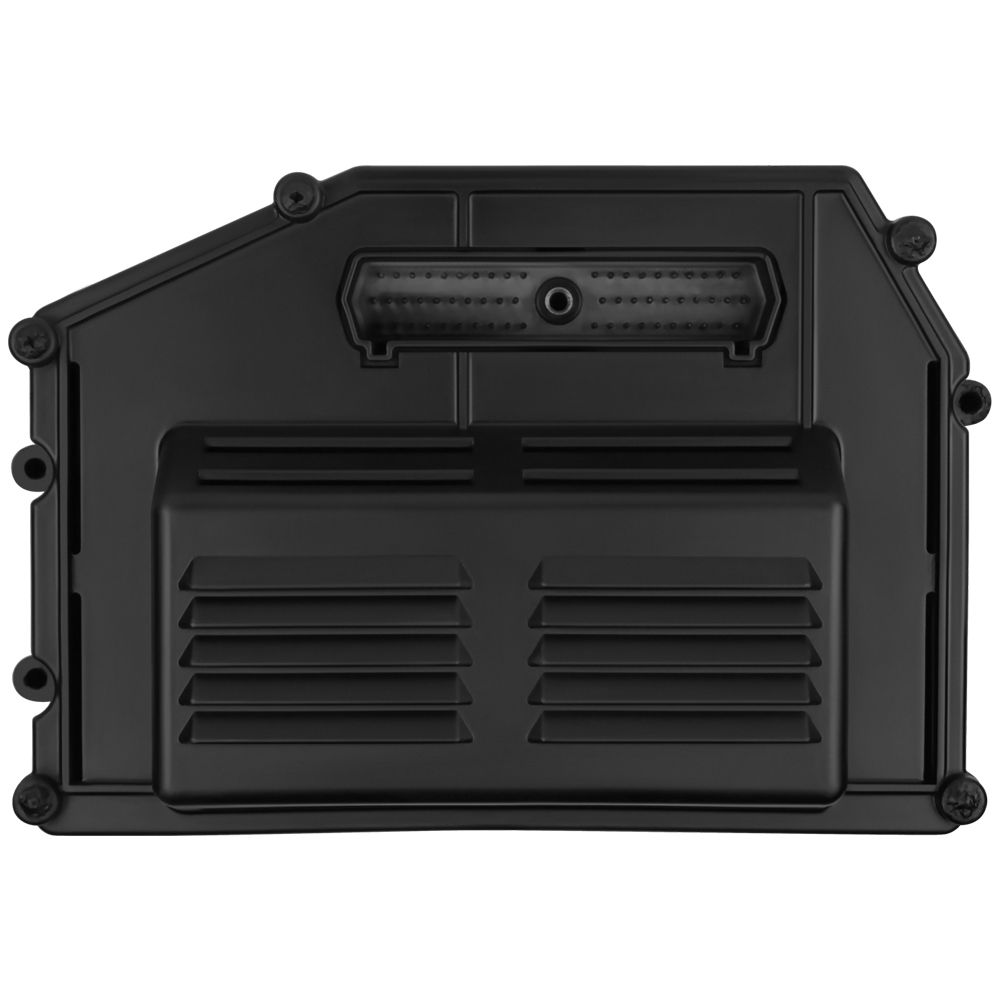
Flagship One stocks a refurbished, VIN-programmed PCM for the 1993 Dodge RAM 350 with a lifetime warranty, free shipping and no core charge. The full Dodge RAM 350 module lineup covers other engine configurations as well.
Final Thoughts
A 1993 Dodge RAM 350 with a faulty PCM can quickly become unreliable. By following these steps and using a proven replacement, you can restore smooth operation and protect the engine’s longevity.