
Last updated on August 25th, 2026 at 01:24 pm
The powertrain control module in the 1991 Honda Civic manages fuel delivery and ignition timing for the 1.5L engine. When this unit fails, it often causes stalling or a complete no-start condition.
When your 1991 Honda Civic refuses to start or begins stalling unexpectedly, the powertrain or engine controller is a logical component to inspect. These computers govern the critical operating parameters of your 1.5L engine, and even minor internal failures can disrupt your daily commute. Understanding how these modules function, where they are located, and what specific service alerts apply to your vehicle helps demystify the repair process. This guide covers the essential details regarding the engine and powertrain controllers for your Civic, including factory-issued technical bulletins and the labor operations involved in swapping the unit. By learning about the common symptoms of failure and the necessary relearn procedures, you gain the knowledge required to make an informed decision about repairing your vehicle, ensuring you get back on the road with confidence.
In the 1991 Honda Civic, the powertrain control module acts as the central brain for the 1.5L engine, continuously processing data from various sensors to adjust ignition timing and fuel injector pulse width. This specific vehicle may utilize either a powertrain control module or an engine control module, both serving the fundamental purpose of keeping the engine running efficiently. The module relies on inputs such as engine speed, coolant temperature, and throttle position to calculate the optimal air-fuel ratio for combustion. When the internal circuitry degrades, the computer can no longer manage these parameters accurately, leading to noticeable drivability issues. A failing unit may cause the engine to stall at idle or prevent it from starting altogether. Because this early model predates modern OBD-II diagnostics, diagnosing controller failures requires specific attention to factory service procedures rather than relying on standard diagnostic ports. Sourcing 1991 Honda Civic replacement computers ensures that your engine management system regains proper functionality without the hassle of complex programming steps.
1991 Honda Civic
OEM programmed replacements — plug & play, no dealer visit.
Find yours by year, make & model →
Free shipping · Lifetime warranty
Accessing the controller on the 1991 Honda Civic typically involves working in the passenger compartment, though specific access steps depend on the exact trim and layout. The factory labor guide allocates 0.7 hours for the removal and installation of either the powertrain control module or the engine control module. This time accounts for physically unseating the old unit and securing the new one in its mounting location. Technicians must carefully disconnect the wiring harnesses to avoid bending the terminal pins, a concern highlighted in service literature for this model. Once the hardware is swapped, the physical installation portion of the repair is straightforward, but the job is not complete until the necessary relearn procedures are performed to sync the new hardware with the vehicle.
| Operation | Configuration | Book Time |
|---|---|---|
| Powertrain Control Module R&R | All configurations | 0.7 hr |
| Powertrain Control Module Relearn | All configurations | 0.5 hr |
| Engine Control Module Relearn | All configurations | 0.5 hr |
| Engine Control Module R&R | All configurations | 0.7 hr |
Following the physical swap of the controller, the 1991 Honda Civic requires a relearn procedure so the new unit can adapt to the specific engine characteristics. The factory time for this powertrain control module relearn operation is 0.5 hours, while the engine control module relearn also requires 0.5 hours. These procedures allow the freshly installed computer to calibrate idle parameters and fuel trims based on live sensor data. Choosing a VIN-programmed replacement unit means these calibration steps have already been completed, allowing your vehicle to start and idle correctly immediately after the hardware is installed. This eliminates the need for the additional half-hour relearn process entirely.
When the engine controller begins to fail in the 1991 Honda Civic, several distinct drivability symptoms often appear. A common indicator is an engine that cranks but refuses to start, which happens when the computer stops triggering the fuel injectors or ignition coils. Intermittent stalling is another frequent complaint; the engine may suddenly die while idling at a stoplight or decelerating, creating a hazardous situation in traffic. Drivers might also experience rough running or misfiring, as the degraded module struggles to maintain the correct ignition timing for the 1.5L engine. Because this is a pre-OBD-II vehicle, you will not retrieve standard diagnostic trouble codes from a standard scanner, making these physical symptoms your primary diagnostic clues. In some cases, the engine may exhibit poor fuel economy or a noticeable lack of power during acceleration. Complete electrical failure of the module can also result in dead communication with diagnostic tools specifically designed for Honda’s proprietary systems. Recognizing these signs early helps prevent being stranded and allows for a timely replacement of the faulty unit.
Factory service documentation for the 1991 Honda Civic outlines a critical concern regarding added electrical accessories. Improperly installed add-on wiring may ruin the fuse box, which can subsequently damage the delicate terminals inside the engine controller connector. This terminal damage often necessitates replacing the entire connector or computer, as compromised connections lead to intermittent signals and drivability issues. Technicians are advised to inspect the fuse box and controller connectors carefully whenever electrical faults are present.
| Bulletin | Subject | What It Addresses |
|---|---|---|
| — | Accessory Wiring May Ruin Fuse Box • ECU Connector Terminal Removal | — |
Yes, the factory procedure includes a relearn operation that takes 0.5 hours to calibrate the new computer to your engine. However, a pre-programmed unit skips this step entirely.
The industry standard allocates 0.7 hours for the physical removal and installation of either the powertrain or engine control module. An additional 0.5 hours is typically required for the relearn procedure if the unit is not pre-programmed.
According to factory service bulletins, improperly installed add-on wiring may ruin the fuse box and damage the controller connector terminals. It is crucial to ensure any add-ons are correctly fused and wired.
Skipping the relearn procedure may result in unstable idle speeds, hesitation during acceleration, or poor fuel economy. The computer needs this calibration period to learn the specific operational parameters of your engine.
While both units serve similar engine management functions, they may have different internal calibrations or hardware depending on the specific vehicle trim. Always match the part number to your original unit to ensure proper operation.
Deciding between a costly dealership repair and a reliable alternative is straightforward when considering your 1991 Honda Civic. Opting for a professionally refurbished replacement module provides the same functionality as a new unit without the premium price tag. Choosing a pre-programmed option specifically matched to your vehicle ensures a simple installation process.
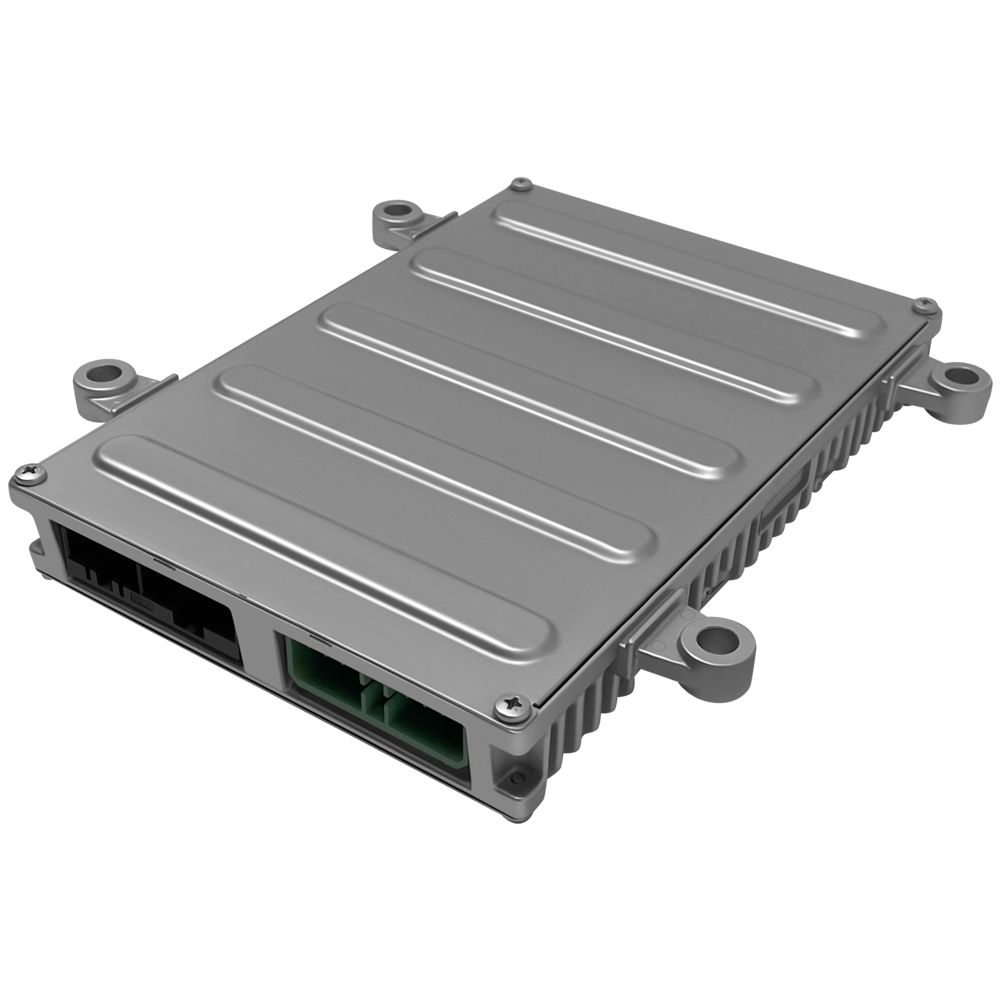
Flagship One stocks a refurbished, VIN-programmed PCM for the 1991 Honda Civic with a lifetime warranty, free shipping and no core charge. The full Honda Civic module lineup covers other engine configurations as well.
Addressing controller failures in your 1991 Honda Civic promptly restores the reliability of your 1.5L engine. By understanding the symptoms, factory bulletins, and labor operations involved, you can approach the repair with confidence. Consider a pre-programmed replacement module to get your vehicle back on the road quickly.