
Last updated on August 25th, 2026 at 02:31 pm
In the 1991 Chevrolet Lumina Van, the powertrain control module (PCM) serves as the central computer that manages fuel delivery, ignition timing, and transmission shifting. A failure typically results from electrical overstress, moisture intrusion, or internal component fatigue, leading to loss of engine control, stalling, or communication loss with diagnostic tools.
When a 1991 Chevrolet Lumina Van begins to refuse to start, stalls unexpectedly, or shifts harshly, the powertrain control module often lies at the heart of the problem. This guide explains what the PCM does in this vehicle, where it is located, how a replacement is performed, and what post‑install steps the factory recommends. By understanding the module’s role and the required procedures, you can decide whether a new factory‑programmed unit or a refurbished option best fits your repair plan, and you’ll know how to protect the module from future issues.
The PCM in a 1991 Chevrolet Lumina Van interprets sensor data to control fuel injection, ignition timing, and transmission gear changes, ensuring smooth operation across all driving conditions. It also stores diagnostic information that helps pinpoint other system faults. Because the module directly influences engine output and shift quality, any malfunction can quickly affect vehicle performance and emissions compliance. Proper operation of the PCM is essential for reliable power delivery and smooth gear engagement. For those seeking a replacement, 1991 Chevrolet Lumina Van engine control module provides the exact fit and functionality required by the vehicle’s original design.
1991 Chevrolet Lumina Van
OEM programmed ECM for your 1991 Chevrolet Lumina Van — plug & play, no dealer visit.
Free shipping · Lifetime warranty
The PCM is mounted inside the passenger compartment beneath the instrument panel, requiring removal of the dash trim to gain access. Removal typically takes about 1.0 hour for the engine control module and 0.9 hour for the powertrain control module, according to the factory labor guide. After disconnecting the negative battery cable and ensuring the ignition switch is off, you can unplug the module connector, extract the unit, and install the replacement. Reinstallation follows the same steps in reverse, and the labor guide adds an additional 0.5 hour for each relearn procedure once the new module is seated.
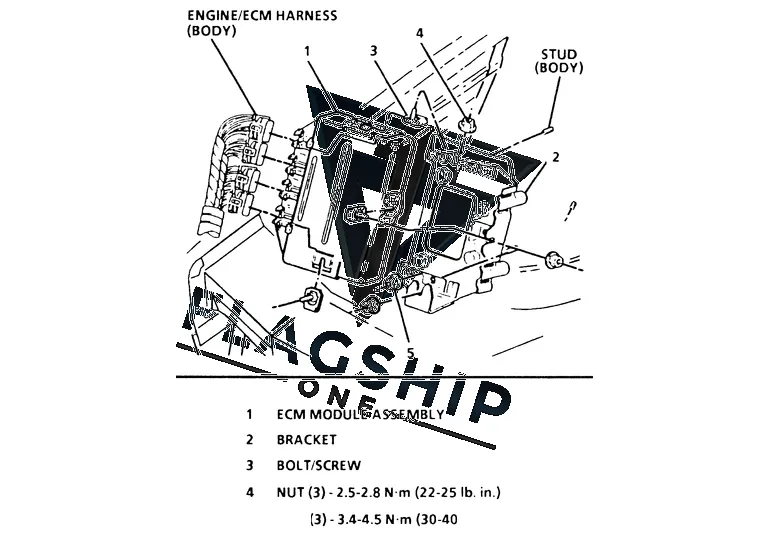
Work with the ignition off, and treat the module as static-sensitive: avoid touching the connector pins at any point.
| Operation | Configuration | Book Time |
|---|---|---|
| Engine Control Module R&R | All configurations | 1.0 hr |
| Engine Control Module Relearn | All configurations | 0.5 hr |
| Powertrain Control Module R&R | All configurations | 0.9 hr |
| Powertrain Control Module Relearn | All configurations | 0.5 hr |
Factory service outlines a two‑step relearn process after installing a new PCM: first, a removal‑and‑replacement (R&R) period of 1.0 hour, then a 0.5‑hour relearn to synchronize the module with the vehicle’s existing sensors. Flagship One supplies a VIN-programmed replacement unit that arrives already matched to the vehicle’s VIN, so the relearn steps are completed at the factory and do not need to be performed in the shop.
Typical signs of a failing PCM in the 1991 Chevrolet Lumina Van include a complete no‑start condition, intermittent stalling, rough idle, or harsh shifting. You may also notice a loss of communication with a scan tool, which often triggers the communication fault on the diagnostic display. In some cases, the engine may run poorly or emit unusual noises as fuel and spark timing become erratic. These symptoms usually appear gradually as the module’s internal circuits degrade or as external voltage spikes damage its components.
Failure often results from exposure to excessive heat, moisture intrusion, or voltage spikes from the battery or alternator. Over‑time, internal components can also degrade, leading to intermittent operation.
Standard hand tools are sufficient for removal and installation. The key requirement is to ensure the ignition is off and the battery negative cable is disconnected before any work begins.
A used unit may function, but it must be matched to the vehicle’s VIN and calibrated to the specific engine and transmission configuration, which can be time‑consuming and may not meet emissions standards.
The factory procedure specifies a 0.5‑hour relearn period for the powertrain control module, during which the new unit synchronizes with the vehicle’s sensors and actuators.
Jump‑starting can introduce voltage spikes that may worsen PCM damage. It is safer to address the underlying issue or use a controlled power source before attempting a jump start.
When the PCM in a 1991 Chevrolet Lumina Van needs attention, you can choose a brand‑new, VIN‑programmed unit from Flagship One or consider a professionally refurbished replacement. Both options restore the vehicle’s control logic, but a new unit guarantees the latest software and a full warranty, while a refurbished part may offer cost savings with comparable performance.
Flagship One stocks a refurbished, VIN-programmed PCM for the 1991 Chevrolet Lumina Van with a lifetime warranty, free shipping and no core charge. The full Chevrolet Lumina Van module lineup covers other engine configurations as well.
Replacing the PCM in your 1991 Chevrolet Lumina Van can bring back reliable start‑up, smooth shifting, and proper engine management. Whether you select a new or refurbished module, ensure the installation follows the factory cautions and relearn steps for lasting results.