
Last updated on August 25th, 2026 at 12:31 pm
The engine control module (ECM) in your 1990 Pontiac Sunbird manages fuel delivery, ignition timing, and emissions systems. When it fails, you may experience stalling, rough idling, or a complete no-start condition due to disrupted engine management signals.
If your 1990 Pontiac Sunbird has been acting up—stalling unexpectedly, refusing to start, or running rough—it may be time to look at the engine control module (ECM). This small but critical computer manages everything from fuel delivery to ignition timing, ensuring your engine runs smoothly. When it malfunctions, the effects can range from subtle performance issues to a complete breakdown. Understanding how the ECM works, where it’s located, and what signs indicate failure can save you time and frustration. Whether you’re diagnosing an existing problem or preparing for a potential repair, this guide will walk you through the essentials of the ECM in your Sunbird, including replacement steps and what to expect afterward. With the right knowledge, you can make informed decisions about maintaining or restoring your vehicle’s reliability.
1990 Pontiac Sunbird
OEM programmed ECM for your 1990 Pontiac Sunbird — plug & play, no dealer visit.
Free shipping · Lifetime warranty
The engine control module (ECM) in your 1990 Pontiac Sunbird serves as the brain of the engine management system. It continuously monitors sensors throughout the vehicle to adjust fuel injection, ignition timing, and idle speed for optimal performance. This ensures efficient combustion, smooth acceleration, and compliance with emissions standards of the era. Without a functioning ECM, your Sunbird may struggle to start, run erratically, or even stall unexpectedly. The module also plays a role in managing the transmission’s shift points, which means a failing ECM could lead to rough or delayed gear changes. Over time, heat, vibration, and electrical fluctuations can degrade the ECM’s internal components, leading to intermittent or permanent failures. If you’re experiencing unexplained drivability issues, the ECM is often a likely culprit. When replacement becomes necessary, replacement engine computers for the Pontiac Sunbird are available to restore proper engine function without the hassle of extensive reprogramming.
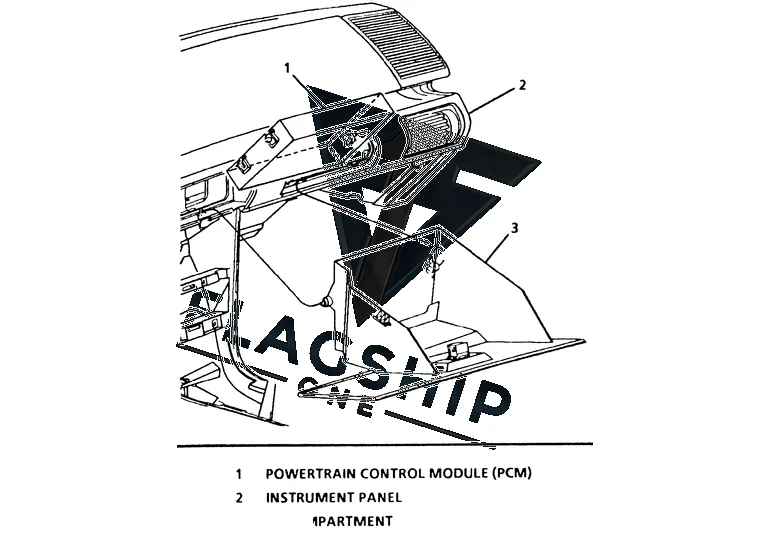
In most 1990 Pontiac Sunbirds, the ECM is mounted inside the vehicle, typically beneath the dashboard or behind the glove compartment. Accessing it usually involves removing interior panels or trim pieces to reach the module’s mounting location. While the exact steps may vary slightly depending on the trim level, the process generally requires basic hand tools and patience. Once exposed, the ECM is secured with a few bolts or screws, and the wiring harness connector must be carefully disconnected before removal. Reinstalling a replacement unit follows the reverse procedure, ensuring the connector is fully seated and the module is securely fastened. While labor times can vary, the job is often straightforward enough for a determined DIYer, though professional installation may be preferred if access is particularly tight or if additional diagnostics are needed.
Work with the ignition off, and treat the module as static-sensitive: avoid touching the connector pins at any point.
After installing a new ECM in your 1990 Pontiac Sunbird, the factory procedure typically requires programming the module to match your vehicle’s specific calibration. This step ensures the ECM communicates correctly with the engine’s sensors and other systems. However, if you opt for a VIN-programmed replacement unit, this step is already completed before the part arrives. Flagship One’s pre-programmed modules are configured to your Sunbird’s exact specifications, eliminating the need for additional setup or dealer visits. This not only saves time but also reduces the risk of programming errors that could lead to further drivability issues. Once installed, the new ECM should immediately restore proper engine operation, assuming no other underlying problems exist in the vehicle’s wiring or sensors.
A failing ECM in your 1990 Pontiac Sunbird can manifest in several ways, often mimicking other mechanical or electrical issues. One of the most common signs is a no-start condition, where the engine cranks but refuses to fire due to incorrect fuel or spark signals. You may also notice the engine stalling unexpectedly, especially at idle or during deceleration, as the ECM struggles to maintain stable operation. Rough idling or misfires can occur if the module fails to adjust fuel delivery or ignition timing properly, leading to uneven combustion. In some cases, the vehicle may enter a “limp mode,” where performance is severely limited to prevent further damage. Diagnostic tools may also fail to communicate with the ECM, indicating a loss of signal or internal failure. Another telltale sign is erratic transmission behavior, such as harsh or delayed shifts, since the ECM also influences shift points. If you’ve ruled out other potential causes like fuel pump failure or ignition system issues, the ECM itself may be the root of the problem. Keep an eye out for internal control module memory checksum error, which often points to ECM failure in this model.
Start by checking for power and ground at the ECM connector with a multimeter. If those are present, a scan tool can help determine if the module is communicating. If no communication is detected, the ECM or its wiring may be at fault. Swapping in a known-good ECM can confirm the diagnosis.
Driving with a failing ECM may lead to poor performance or stalling, but it’s unlikely to cause immediate mechanical damage. However, prolonged use with a faulty module could stress other components, like the catalytic converter, due to improper fuel mixtures.
Yes, you can perform basic tests by checking for power and ground at the ECM connector. Additionally, swapping the ECM with a known-good unit from a similar vehicle can help isolate the issue. However, a scan tool is the most reliable way to confirm ECM failure.
You’ll typically need basic hand tools like screwdrivers, a socket set, and possibly a trim removal tool to access the ECM. A multimeter can help verify power and ground before installation. If you’re using a pre-programmed replacement, no additional tools are required for setup.
Yes, Flagship One’s replacement ECMs are pre-programmed to your vehicle’s VIN, so they should work immediately after installation. There’s no need for additional programming or dealer visits, assuming the rest of the vehicle’s systems are functioning properly.
If your 1990 Pontiac Sunbird is suffering from ECM-related issues, you have a few options to consider. Repairing the existing module may be possible in some cases, but it often provides only a temporary fix, especially if the internal components are degraded. A refurbished or new replacement ECM, particularly one that’s pre-programmed to your vehicle’s specifications, offers a more reliable long-term solution. Given the age of the Sunbird, opting for a unit that eliminates the need for additional programming can save time and reduce the risk of further complications. Whether you choose to tackle the replacement yourself or have a professional handle it, a properly functioning ECM is key to restoring your vehicle’s performance and drivability.
Flagship One stocks a refurbished, VIN-programmed ECM for the 1990 Pontiac Sunbird with a lifetime warranty, free shipping and no core charge. The full Pontiac Sunbird module lineup covers other engine configurations as well.
The ECM in your 1990 Pontiac Sunbird plays a vital role in keeping your engine running smoothly, and when it fails, the effects can be frustrating. By understanding the symptoms of ECM failure, knowing where to find the module, and recognizing the benefits of a pre-programmed replacement, you can make informed decisions about your vehicle’s repair. Whether you’re dealing with a no-start condition, stalling, or erratic performance, addressing the ECM promptly can help you avoid further complications. With the right approach, your Sunbird can continue to deliver reliable service for years to come.