
Last updated on August 25th, 2026 at 12:44 pm
The PCM (Powertrain Control Module) in your 1990 Lincoln Mark VII is the central computer managing engine timing, fuel delivery, and transmission shifting. When internal memory or processing circuits fail, the module can no longer control these vital functions reliably.
If your 1990 Lincoln Mark VII has stored one or more module-internal trouble codes, you are dealing with a fundamental failure of the vehicle’s central computer rather than a simple sensor or wiring issue. The PCM (Powertrain Control Module) serves as the brain of your Mark VII, controlling fuel injection, ignition timing, transmission shift points, and emissions systems. When internal memory checksums fail or processor circuits become corrupted, the module can no longer perform these critical functions, and the vehicle may refuse to start, run poorly, or display multiple unrelated fault codes. This guide explains what these codes mean in the context of your 1990 Mark VII with the 5.0L engine, where the computer is located, what symptoms typically appear, and how replacement differs from conventional repair. You will also learn why a VIN-programmed replacement from Flagship One eliminates the need for dealer programming visits, and what steps you can take to protect your new module once installed.
The Powertrain Control Module in your 1990 Lincoln Mark VII is an integrated computer that handles both engine management and transmission control functions. Unlike external sensor failures that affect one specific circuit, module-internal codes indicate problems originating within the computer hardware itself—its permanent memory, volatile RAM, or internal processing architecture. The P0600 through P0656 series of codes represent various internal failures: memory checksum errors, processor faults, calibration corruption, and internal circuit failures affecting voltage reference or output signals. When the PCM experiences these internal failures, it may default to a limited-operation mode or fail entirely to communicate with the scan tool. For the Mark VII specifically, this means the sequential fuel injection, electronic automatic transmission, and emissions control systems all depend on a functioning PCM. replacement engine computers for the Mark VII are available as new or refurbished units, with VIN-programmed options eliminating the need for dealer-side calibration matching. The module matters because without proper internal function, your vehicle cannot maintain safe operation, fuel efficiency, or compliance with emissions requirements.
1990 Lincoln Mark VII
OEM programmed ECM for your 1990 Lincoln Mark VII — plug & play, no dealer visit.
Free shipping · Lifetime warranty
The PCM on a 1990 Lincoln Mark VII is mounted inside the passenger compartment, typically located behind the right-side kick panel near the passenger footwell or beneath the right side of the instrument panel. Access requires removal of the kick panel trim, which involves removing several screws and gently pulling the panel away from its clips. Once exposed, the module is secured to a mounting bracket with bolts or screws, and the electrical connector must be carefully disengaged by releasing the locking tab. Installation of a replacement involves connecting the harness, securing the module to the bracket, and reassembling the trim panels. After installation, the vehicle will require a brief idle relearn procedure as the new module adapts to your specific engine’s characteristics. This location was chosen to protect the computer from engine bay heat and moisture, but the passenger-side placement means interior leaks or spills can occasionally contribute to connector corrosion over time.
After replacing the PCM in your 1990 Lincoln Mark VII, the factory service procedure requires programming the module with your specific vehicle identification number and calibrations specific to the 5.0L engine and automatic transmission. This process historically required a dealer visit with specialized equipment to match the new computer to your vehicle’s anti-theft system, emissions configuration, and transmission learn values. However, when you install a a VIN-programmed replacement unit from Flagship One, the module arrives pre-programmed with your exact VIN and the correct calibration for your Mark VII, eliminating the dealer programming step entirely. The unit is ready to install, though you should still allow the engine to run for several minutes so the new module can perform its idle adaptation and transmission shift-quality learning routines. This plug-and-play approach saves you the time and expense of a dealer programming session while ensuring your vehicle runs exactly as the factory intended.
When the PCM in a 1990 Lincoln Mark VII begins experiencing internal failures, the symptoms often appear suddenly and may worsen over time. A no-start condition is common, where the engine cranks but fails to fire because the module cannot control fuel delivery or ignition timing. Stalling after startup frequently occurs as the module loses the ability to maintain idle air control or fuel mixture. Misfire codes such as P0300 (random/multiple cylinder misfire) or codes for specific cylinders often appear even when spark plugs and wires are in good condition, because the module is not delivering the correct injection pulse width. Dead scan-tool communication represents another clear indicator—when the OBD-II port returns no response or displays only the module-internal codes, the computer itself has a problem. Transmission shifting may become erratic or harsh, as the same PCM controls the automatic gearbox. The memory checksum error code specifically indicates that the internal non-volatile memory has corrupted, a condition that typically requires module replacement rather than repair. These symptoms may appear individually or in combination, and they often coexist with multiple unrelated fault codes being set simultaneously.
Your 1990 Lincoln Mark VII has documented module-internal trouble codes spanning two families: the P0600 series covering internal processor, memory, and calibration failures, and the P0600 series covering reference voltage and output circuit issues. These codes indicate hardware-level problems within the PCM itself and generally cannot be cleared by replacing external sensors or wiring.
Disconnecting the battery may temporarily clear stored codes, but if the internal hardware failure persists, the codes will return immediately upon the next start cycle. Module-internal codes indicate permanent damage to the computer’s internal memory or processor, not a condition that resets through power disconnection.
A used PCM from another Mark VII will require dealer programming to match your specific VIN and calibration. Without proper programming, the module will not communicate with your vehicle’s anti-theft system or may run the engine poorly. Additionally, you cannot verify the internal condition of a used unit, making it a gamble compared to a refurbished or new replacement.
Driving with a module-internal failure is not recommended. The vehicle may stall unexpectedly, experience sudden loss of power, or fail to start entirely. Additionally, an internal PCM failure can cause the transmission to shift improperly, creating a safety hazard. Having the vehicle towed for diagnosis and replacement is the safer approach.
An unprogrammed replacement PCM will not start the engine in most cases due to the passive anti-theft system standard on the 1990 Mark VII. Even if the engine starts, the transmission may not shift correctly, the check engine light will remain on, and the vehicle may run with poor fuel economy or drivability issues.
Installation time varies based on mechanic experience, but the physical replacement process typically takes 30 to 60 minutes for a competent technician. The most time-consuming aspect is removing and reinstalling the interior trim panels to access the module location behind the passenger kick panel.
If your 1990 Lincoln Mark VII has stored module-internal trouble codes, you have two primary repair paths. The first involves purchasing a replacement PCM and paying a dealer or qualified shop to program it with your VIN and calibrations—a process that often costs significantly more than the part itself. The second path is ordering a VIN-programmed replacement from Flagship One, which arrives ready to install with all factory programming completed. This eliminates the dealer visit entirely and gets your Mark VII back on the road faster. Consider whether your current module shows any signs of intermittent operation—if the vehicle still runs, you have time to research options; if it will not start, a quick replacement becomes urgent.
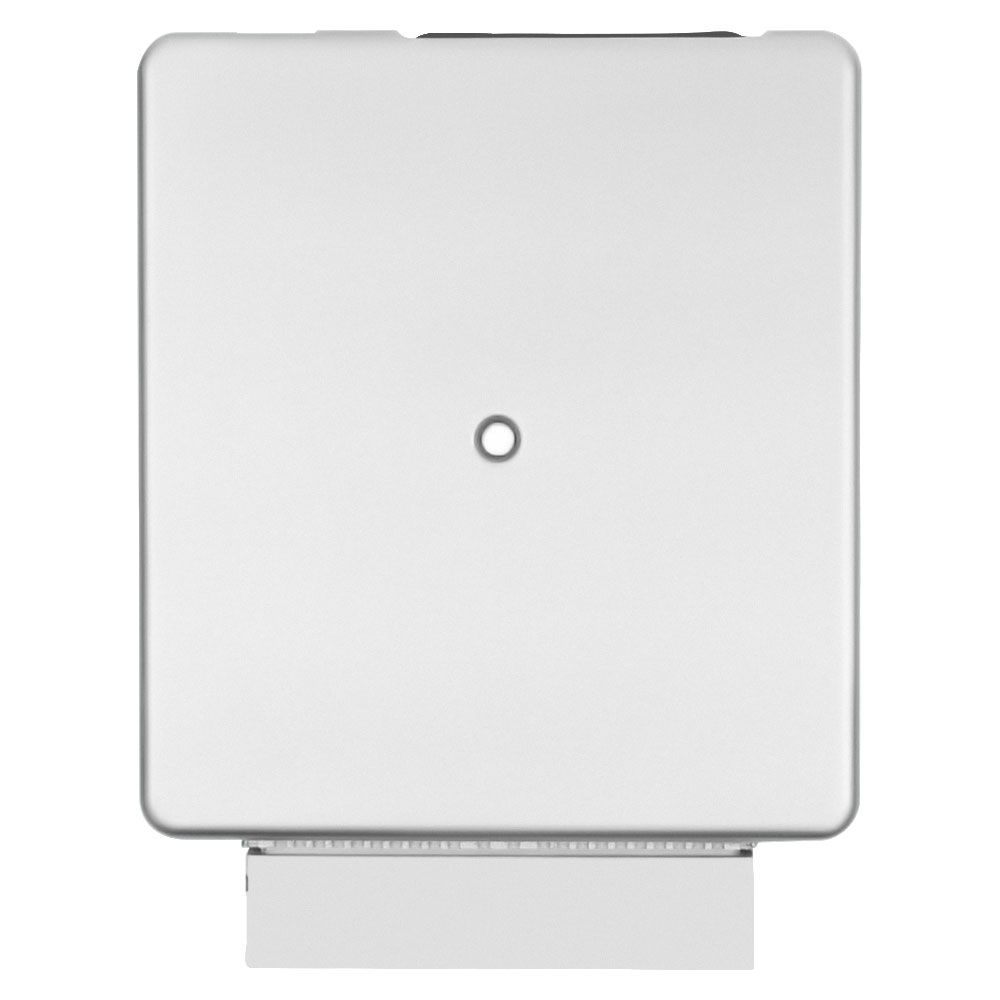
Flagship One stocks a refurbished, VIN-programmed ECM for the 1990 Lincoln Mark VII with a lifetime warranty, free shipping and no core charge. The full Lincoln Mark VII module lineup covers other engine configurations as well.
The 1990 Lincoln Mark VII relies on a properly functioning PCM to manage its 5.0L engine and automatic transmission. Module-internal trouble codes signal a hardware-level failure that cannot be repaired with sensor replacements or software resets. Whether you choose a new or refurbished replacement, ensure the unit arrives VIN-programmed for your specific vehicle to avoid dealer programming fees. Once installed, following the prevention tips will help extend the life of your new module and keep your Mark VII running reliably for years to come.