
Last updated on August 25th, 2026 at 01:25 pm
The Engine Control Module (ECM) in your 1990 Geo Metro is the central computer that manages the 1.0L engine’s fuel injection, ignition timing, and emissions systems. When this module fails, the engine may not run properly or may not start at all, often leaving owners with a vehicle that runs poorly or becomes completely inoperable.
If you own a 1990 Geo Metro, you may eventually face issues with the engine control module — the central computer that manages your vehicle’s 1.0L three-cylinder engine. Unlike modern vehicles with standardized OBD-II systems, this pre-OBD-II model uses a proprietary ECM design that requires specific handling during replacement. Many Metro owners discover their ECM has failed when the engine won’t start, runs roughly, or dies unexpectedly while driving. Others notice declining fuel economy, persistent stalling, or an inability to communicate with any scan tool. This guide explains what the ECM does in your Geo Metro, where it’s located, common failure symptoms, and what you need to know about programming a replacement unit. You’ll gain a clear understanding of the repair process so you can make informed decisions about whether to replace the module yourself or seek professional help.
The Engine Control Module in your 1990 Geo Metro serves as the brain of the entire powertrain. This computer receives input from various sensors throughout the engine bay — including the coolant temperature sensor, throttle position sensor, and oxygen sensor — then uses that information to calculate the optimal fuel injector pulse width and ignition timing for current operating conditions. For a lightweight vehicle like the Metro with its efficient 1.0L engine, precise calibration is essential for achieving the fuel economy this model is known for.
When the ECM fails, the engine loses its ability to meter fuel correctly and time ignition events. Your vehicle may crank normally but refuse to start, or it might start and then stall once the coolant temperature reaches normal operating range. Some owners report that their Metro runs fine for a few minutes before suddenly dying, suggesting an internal electronics issue that worsens as the module heats up. Because this is a pre-OBD-II vehicle, the ECM also controls early emissions equipment like the charcoal canister and exhaust gas recirculation valve, meaning emission-related faults can trigger check engine lights even without standardized diagnostic trouble codes. Understanding what this module controls helps you recognize why replacement engine computers for the Geo Metro must be calibrated specifically for your vehicle’s VIN and engine combination.
1990 Geo Metro
OEM programmed ECM for your 1990 Geo Metro — plug & play, no dealer visit.
Free shipping · Lifetime warranty
Locating the ECM in a 1990 Geo Metro requires working on the driver’s side of the vehicle, behind and below the instrument panel. This placement differs significantly from many other vehicles of the era, where the computer often sat in the engine bay or passenger cabin elsewhere. Access involves removing the lower dashboard panel on the driver’s side, which may require disconnecting trim pieces and carefully pulling away plastic covers to reveal the module mounting bracket.
The replacement process begins with disconnecting the vehicle’s battery negative terminal to prevent electrical damage. You’ll then unplug the main wiring harness connector from the old ECM, remove the mounting screws or bolts securing it to the bracket, and transfer the mounting hardware to the new unit. Reconnection follows in reverse order, ensuring all connectors seat fully and any alignment pins engage properly. After reinstallation, the battery terminal is reconnected and the vehicle is started to verify proper operation. While the physical location is relatively accessible compared to some vehicles, working in the footwell area requires patience and appropriate lighting to avoid damaging dashboard components or leaving disconnected plugs.
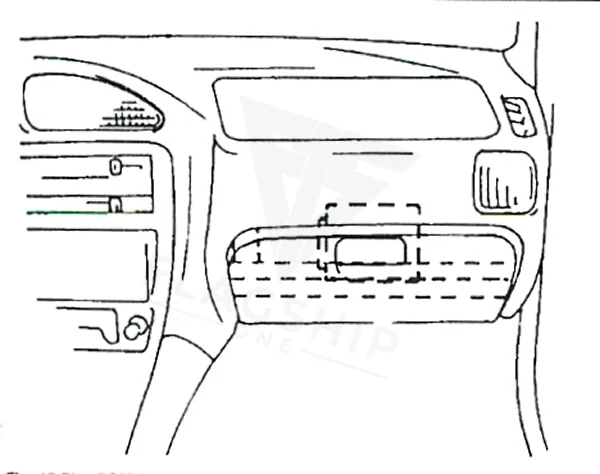
Work with the ignition off, and treat the module as static-sensitive: avoid touching the connector pins at any point.
After replacing the ECM in your 1990 Geo Metro, the new module requires programming with vehicle-specific calibration data before the engine will run properly. The factory procedure involves connecting a GM-approved scan tool to the ALDL diagnostic connector under the dashboard, then initiating a reprogramming sequence that writes the VIN, fuel injector calibration, and idle air control settings into the new module’s memory. Without this step, the ECM won’t know the correct specifications for your 1.0L engine, and the vehicle may run poorly or not start at all.
This is where purchasing from Flagship One provides significant advantage. Their replacement units arrive pre-loaded with a VIN-programmed replacement unit that matches your specific vehicle’s calibration requirements. This means the reprogramming steps that dealerships typically perform are already completed before the module arrives. You still need to verify that the engine starts and runs normally after installation, but you avoid the expense and inconvenience of scheduling dealer programming appointments or purchasing expensive scan tools for a one-time use.
Engine control module failures in the 1990 Geo Metro typically present several recognizable patterns. The most dramatic symptom is a complete no-start condition where the engine cranks normally but receives no fuel or spark — the ECM isn’t commanding the injectors to pulse or telling the ignition coil to fire. Another common scenario involves the engine starting and running for a brief period before stalling, particularly once the engine reaches normal operating temperature, which suggests an internal electronics problem that compounds as the module warms up.
Some Metro owners experience intermittent running issues where the vehicle runs poorly at idle but seems to improve at higher RPM, or notice that the engine stalls whenever additional electrical loads like headlights or the blower fan are activated. Misfire codes may appear even though spark plugs and wires are in good condition, indicating the ECM is incorrectly timing fuel delivery. In cases where the module loses its memory entirely, the scan tool may fail to communicate with any diagnostic port, leaving no way to read trouble codes. Hard-shifting automatic transmissions can also stem from ECM issues, as the module controls shift points based on throttle position and vehicle speed inputs. If your Metro exhibits any of these patterns, the ECM should be considered a prime suspect before replacing other components.
No. The 1990 Geo Metro uses a model-specific ECM calibration that accounts for its unique 1.0L engine displacement, transmission gearing, and emissions equipment. Using a module from a different vehicle — even another GM product from the same era — will likely result in poor running conditions or a no-start. Replacement units must be programmed for the Metro’s specific VIN and engine combination.
Driving with a failing ECM is not recommended. Depending on how the module is malfunctioning, your vehicle may stall unexpectedly, lose power while driving, or refuse to start altogether. A no-start situation left you stranded is inconvenient, but stalling at speed can create a safety hazard. If you suspect ECM problems, have the vehicle diagnosed before relying on it for daily transportation.
A new ECM that hasn’t been programmed with your vehicle’s calibration data will not run the engine correctly. The module needs to know the correct fuel injector flow rates, ignition timing specifications, and idle air control settings for your specific 1.0L engine. Purchasing a pre-programmed replacement from a supplier like Flagship One that includes VIN-specific calibration eliminates this issue.
Diagnosing ECM versus sensor issues requires checking sensor inputs with a scan tool or multimeter while observing whether the ECM is responding appropriately. If all sensors appear to be sending reasonable data but the engine runs poorly, or if the ECM shows internal fault codes that clear and return, the module itself is likely faulty. A professional diagnostic can isolate whether the problem lies in the ECM or elsewhere in the engine management system.
The ECM is mounted behind the driver’s side dashboard, but water can still reach this area through heater core leaks, windshield seal failures, or excessive moisture from wet feet or floor mats. Water intrusion often causes intermittent electrical faults that come and go as the module dries out, eventually leading to complete failure. Addressing any water intrusion immediately and ensuring the ECM connector seals are intact helps prevent moisture-related failures.
When your 1990 Geo Metro’s ECM fails, you face a choice between purchasing a used unit from a salvage yard or investing in a quality replacement. Used ECMs carry no guarantee of remaining service life and often require dealer programming fees to function properly. Refurbished replacements fromFlagship One arrive VIN-programmed with the correct calibration for your vehicle, eliminating programming delays and ensuring the module works correctly from the first start. Given the specialized nature of this pre-OBD-II system and the importance of proper calibration, a professionally programmed replacement unit typically provides the best value over time.
Flagship One stocks a refurbished, VIN-programmed ECM for the 1990 Geo Metro with a lifetime warranty, free shipping and no core charge. The full Geo Metro module lineup covers other engine configurations as well.
The 1990 Geo Metro relies on its Engine Control Module to manage the efficient operation of its compact 1.0L engine. When this module fails, symptoms range from frustrating no-start conditions to unsafe stalling while driving. Understanding the ECM’s location behind the driver’s side dashboard, the need for VIN-specific programming, and the importance of addressing failures promptly helps you navigate the replacement process with confidence. Whether you handle the installation yourself or rely on professional help, sourcing a properly programmed replacement ensures your Metro continues delivering the economical transportation this model is known for.